
Guide
Cold-Weather Spring Failure in Warren's Older Housing Stock
Warren, OH homes built mostly from 1938 to 1981 face torsion springs that snap in severe cold weather. Here's why timing matters and what to check first.
Local detail
The Problem
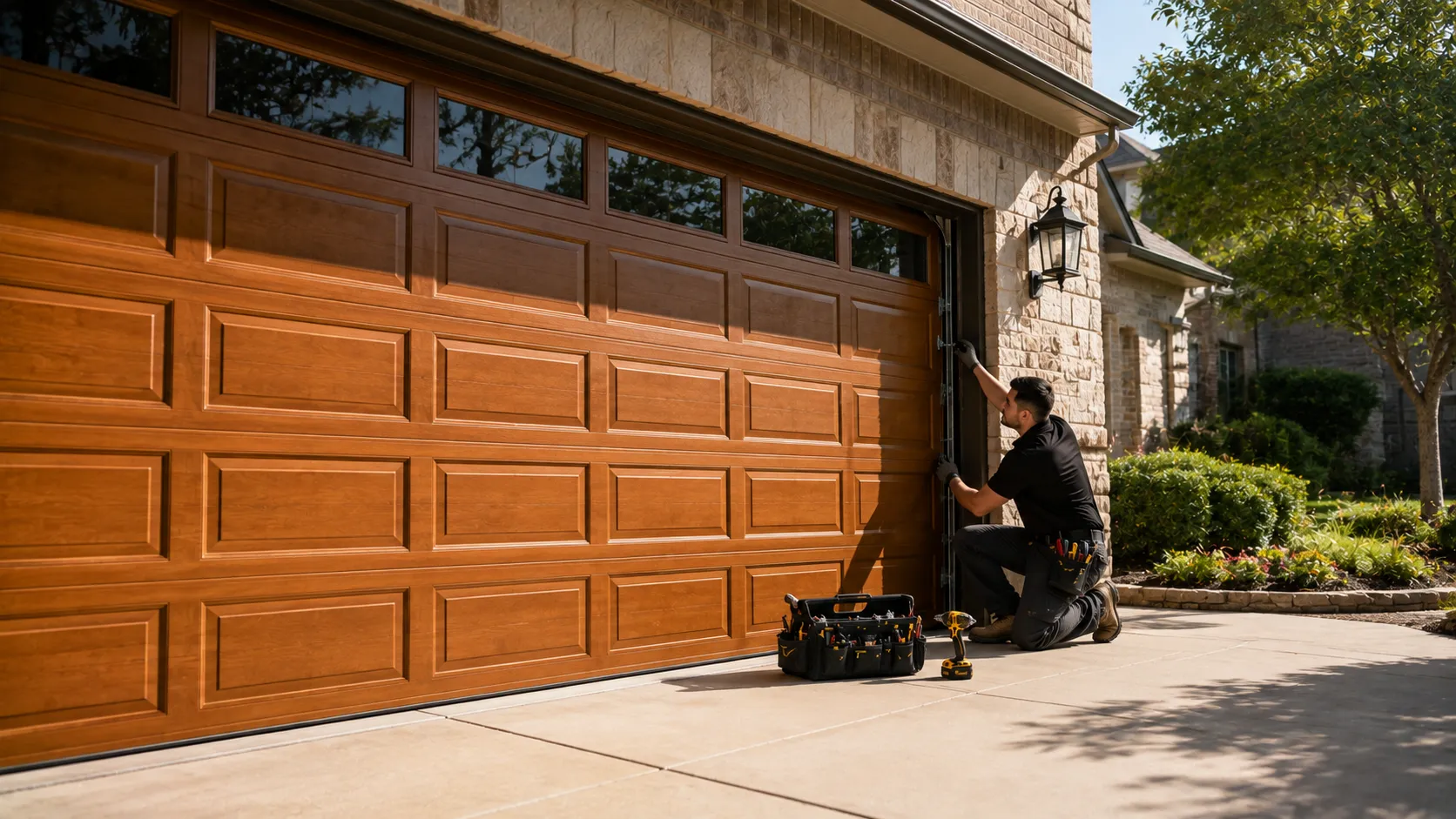
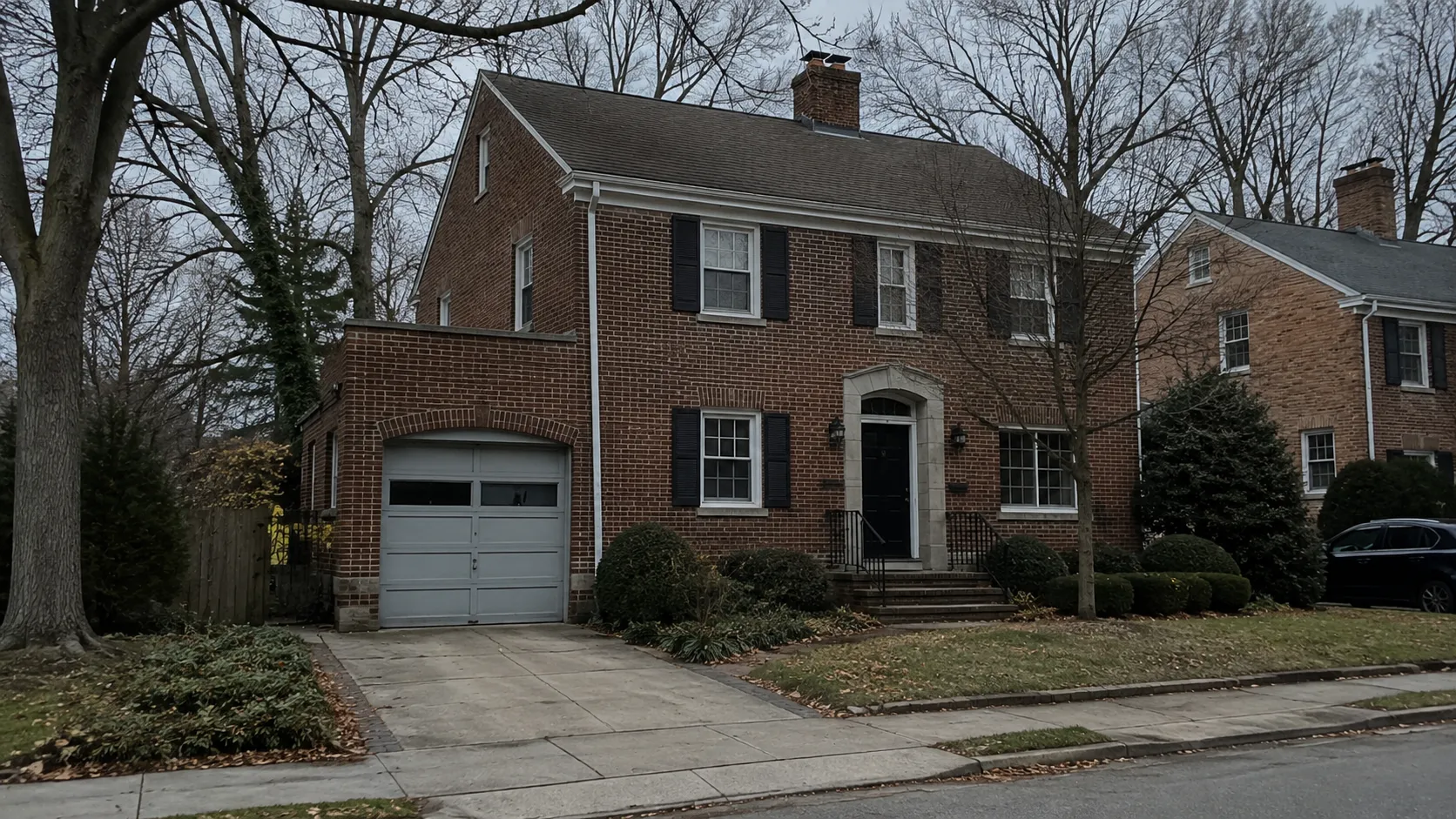
Most houses in and around Warren went up between 1938 and 1981, with the median build year sitting at 1963. That means a lot of original-era torsion spring setups - wound steel that's been cycling up and down for six decades - paired with the kind of severe cold winters this part of Ohio gets. Steel doesn't like two things happening at once: fatigue from age and contraction from cold. When a spring goes in cold weather, it's rarely the first cold snap of the season. It's usually the one after months of slow metal fatigue finally line up with a hard freeze, and the spring lets go - often with a bang loud enough to bring you into the garage before you've had coffee.
This isn't a scare story about old houses. It's just how wound steel behaves after sixty winters of expansion and contraction on a door that was never built with today's lighter panels in mind. The houses that make up this area, from the older streets near the center of town out toward Leavittsburg and Howland Center, share that same build window, and that shared age is exactly why cold-weather spring failure shows up here on a predictable schedule.
The area
What Local Conditions Do
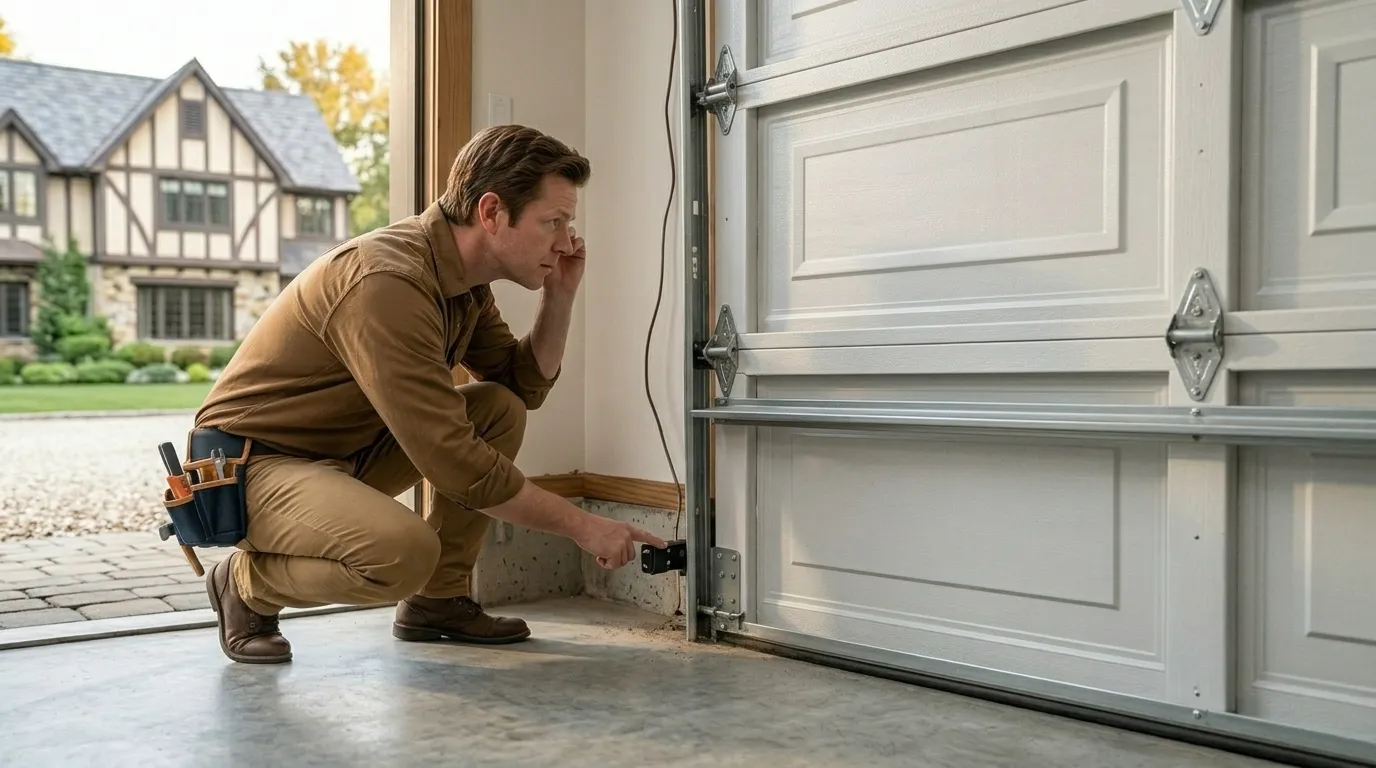
Cold makes steel brittle before it makes steel weak. In houses built across that 1938-1981 window that makes up most of the area's stock, springs were sized for the doors and lift needs of that era - heavier wood and early steel panels, not the lighter doors sold now. Every hard cold spell tightens that wound coil a little more than the one before. In a severe-cold climate band like this one, the swing between a mild afternoon and single-digit overnight temperatures puts real stress on metal that's already lived through decades of freeze-thaw cycling.
That's why the failures cluster in January and February rather than spreading evenly across the year. A spring that's made noise all fall - a faint creak, a slight hesitation on lift - usually picks the coldest morning of the year to actually let go, because that's when the steel is at its least forgiving and the coil is under the most contraction. It's not bad luck. It's the same physics playing out on thousands of similar-aged doors across this part of the county at roughly the same time.
What we find
Where People Go Wrong
The biggest mistake is treating a torsion spring like a bolt you can just swap out. It's wound under enough tension to break bones if it lets go while someone's working on it, and that risk doesn't change because the door is old or new. The second mistake, more specific to housing this age, is buying a generic replacement spring sized for a modern lightweight door and installing it on a heavier original door from the 1940s through 1960s era. It'll lift the door, technically, but it'll wear out again fast and put extra strain on the opener motor trying to compensate.
Third, and most common: people wait. A spring that's audibly grinding or shows a visible gap in the coil, on a house this old sitting in a climate this cold, isn't going to fix itself by spring. It's going to go on the next hard freeze, usually at the worst possible time - early morning, car half in the driveway, door stuck halfway.
How we work
Checking It Yourself
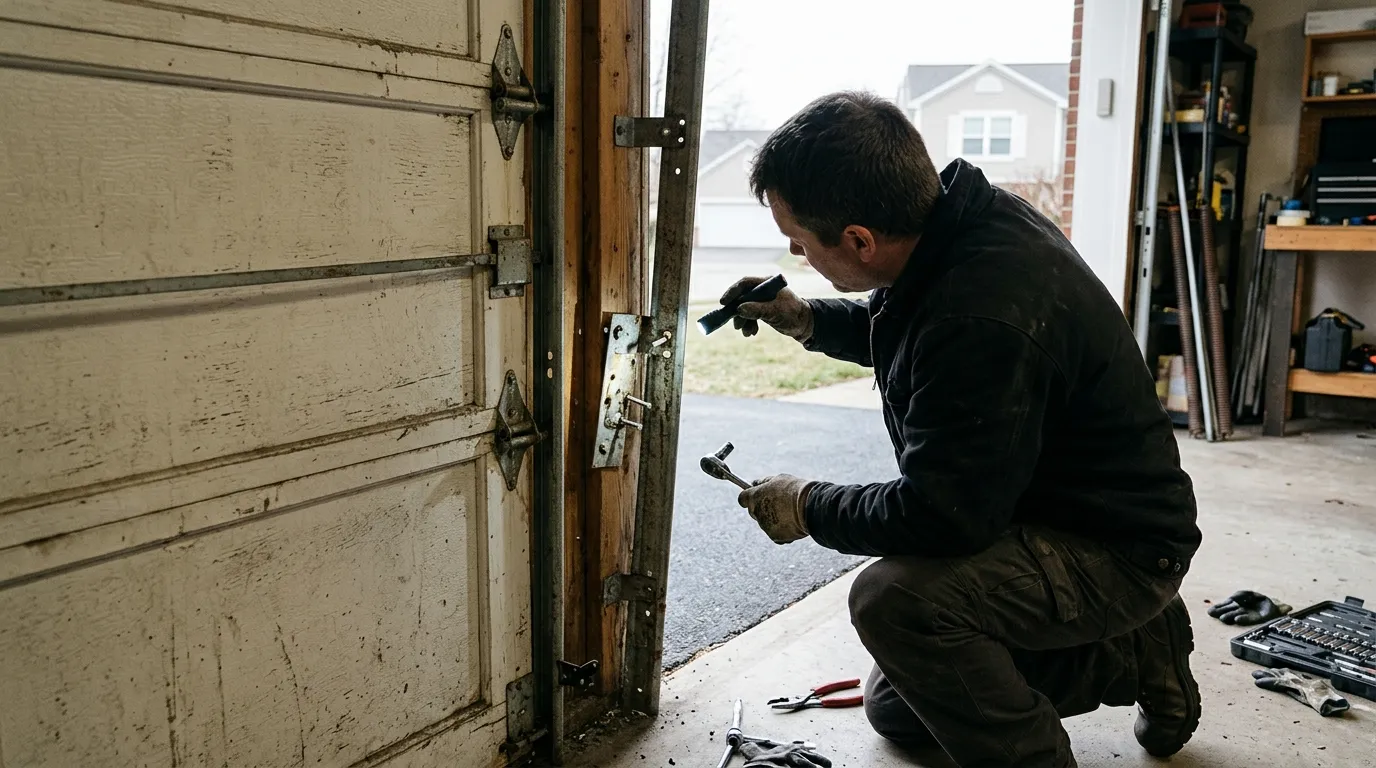
You can look without touching. Watch the torsion spring above the door while it operates - a visible gap in the coil, more than about an inch, means it's already separated and running on borrowed time. Listen for a door that feels heavier than it used to, especially on a cold morning, or an opener that strains and reverses instead of finishing the lift smoothly. Check the lift cables on either side for fraying near the bottom bracket, which tends to show up first on older tracks.
Here's the honest limit: spring tension work isn't a homeowner job, cold garage or not, and we won't walk anyone through winding or unwinding a torsion spring over the phone. That part of the job needs the right bars and a clear head, not guesswork on a driveway in January. If you see the gap, hear the grinding, or notice the door getting harder to lift on the coldest mornings, that's the call to make - not the wrench to grab.
Questions
Common questions
Why do garage door springs break more in winter around Warren?
Most houses here date from 1938 to 1981, so the torsion springs on a lot of doors are original to a house that's already seen decades of freeze-thaw cycling. Add a severe-cold winter and the steel contracts and stiffens right when it's most fatigued, so the failures bunch up on the coldest mornings rather than spreading evenly through the year.
My door is heavy and slow on cold mornings - is that the spring?
It can be. A spring under proper tension should lift a door smoothly even in the cold. If it feels noticeably heavier first thing in the morning, or the opener strains and reverses, the spring is likely losing tension or showing early fatigue. Look for a gap in the coil before assuming it's the opener.
Can I just buy any replacement spring for my older door?
Not really. Many houses in this area have older, heavier doors that need a spring sized to that weight, not a generic modern spring meant for a lighter panel. The wrong size will lift the door for a while but wear out fast and put extra load on the opener.
Ready when you are
Need a garage door sorted in Warren?
Warren Garage Door Pros repairs and installs garage doors, springs and openers in Warren, OH and the surrounding area.