
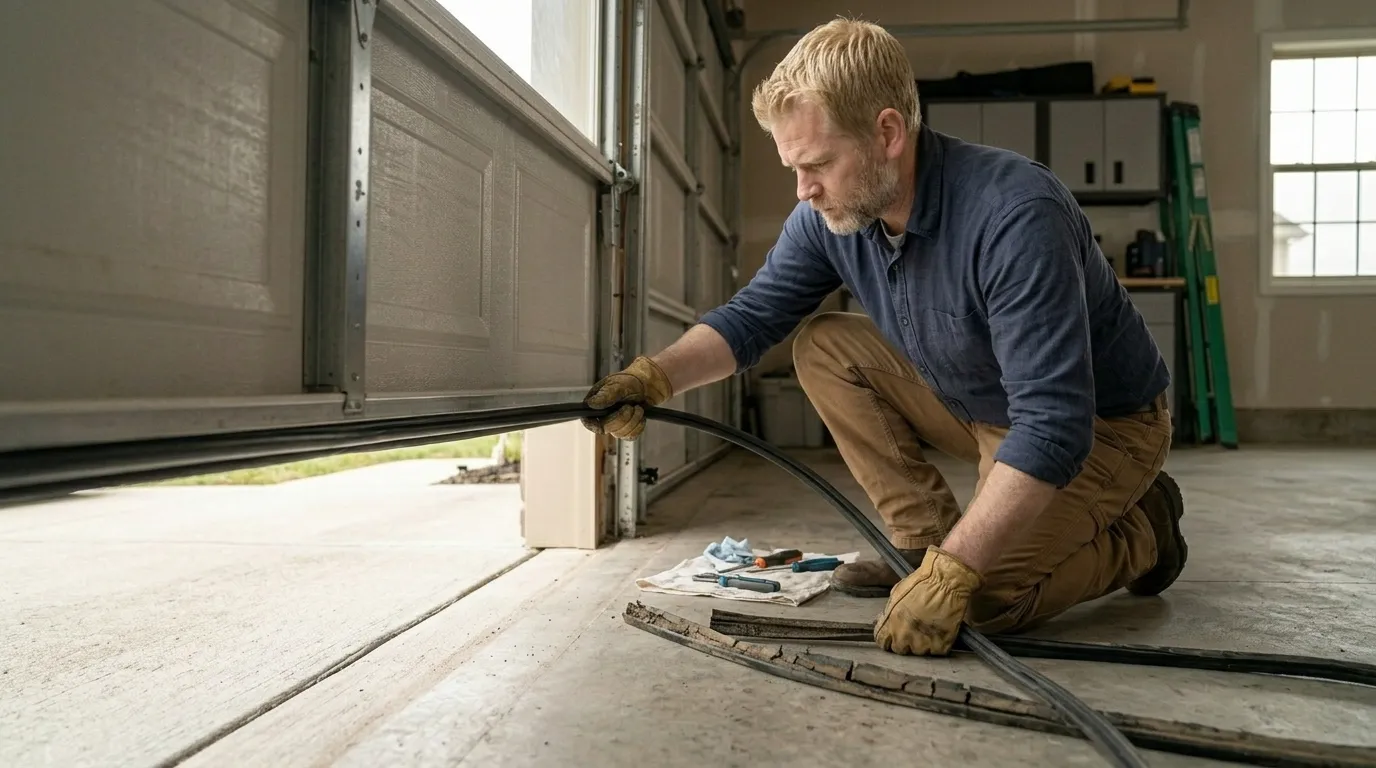
Warren, OH
Garage Door Repair in Warren, Ohio
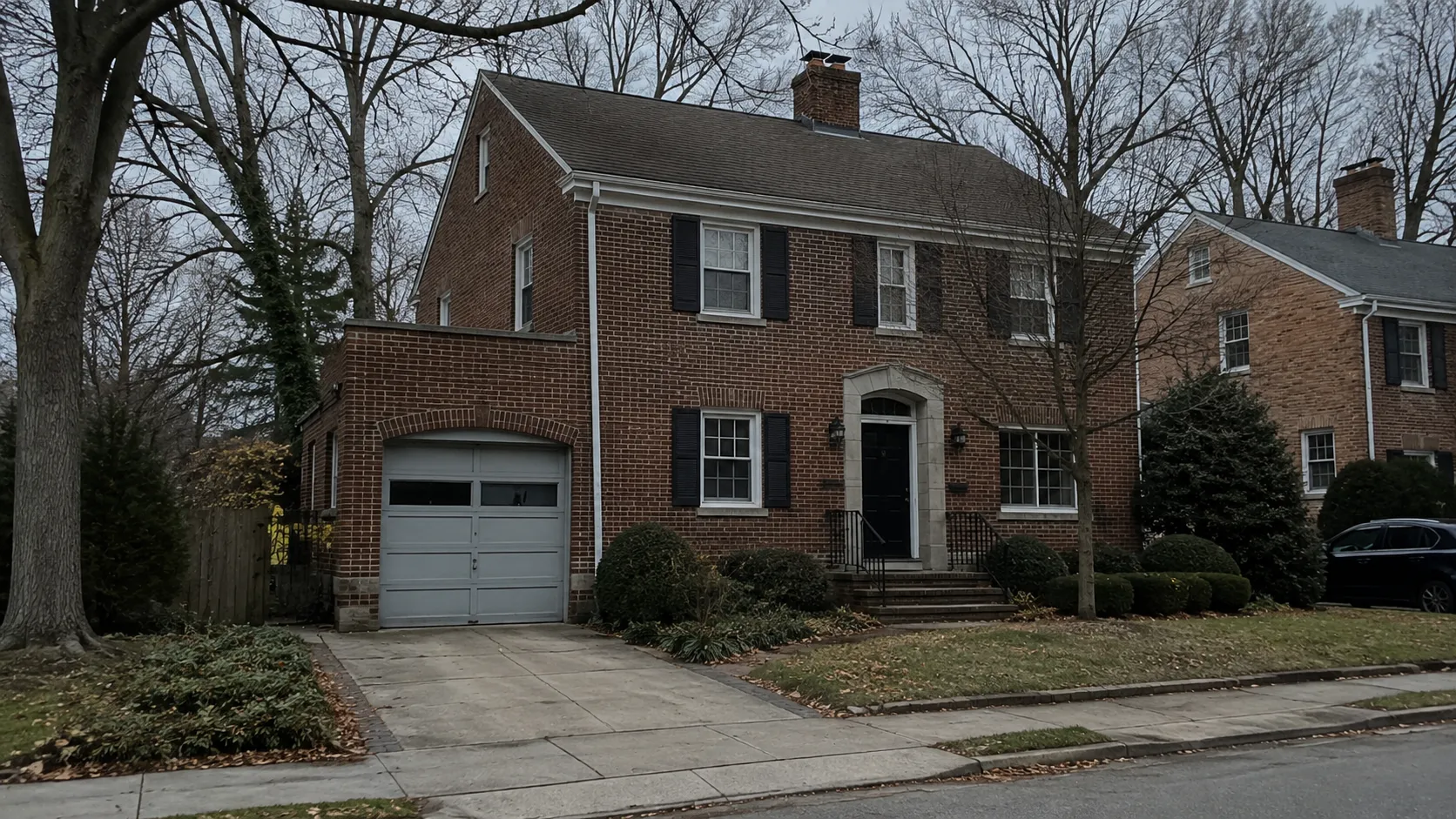
Garage door repair for Warren, OH homes built 1938-1981. We know the torsion hardware and steel panels this housing stock came with and what winter does to them.
What we do
Garage door work in Warren
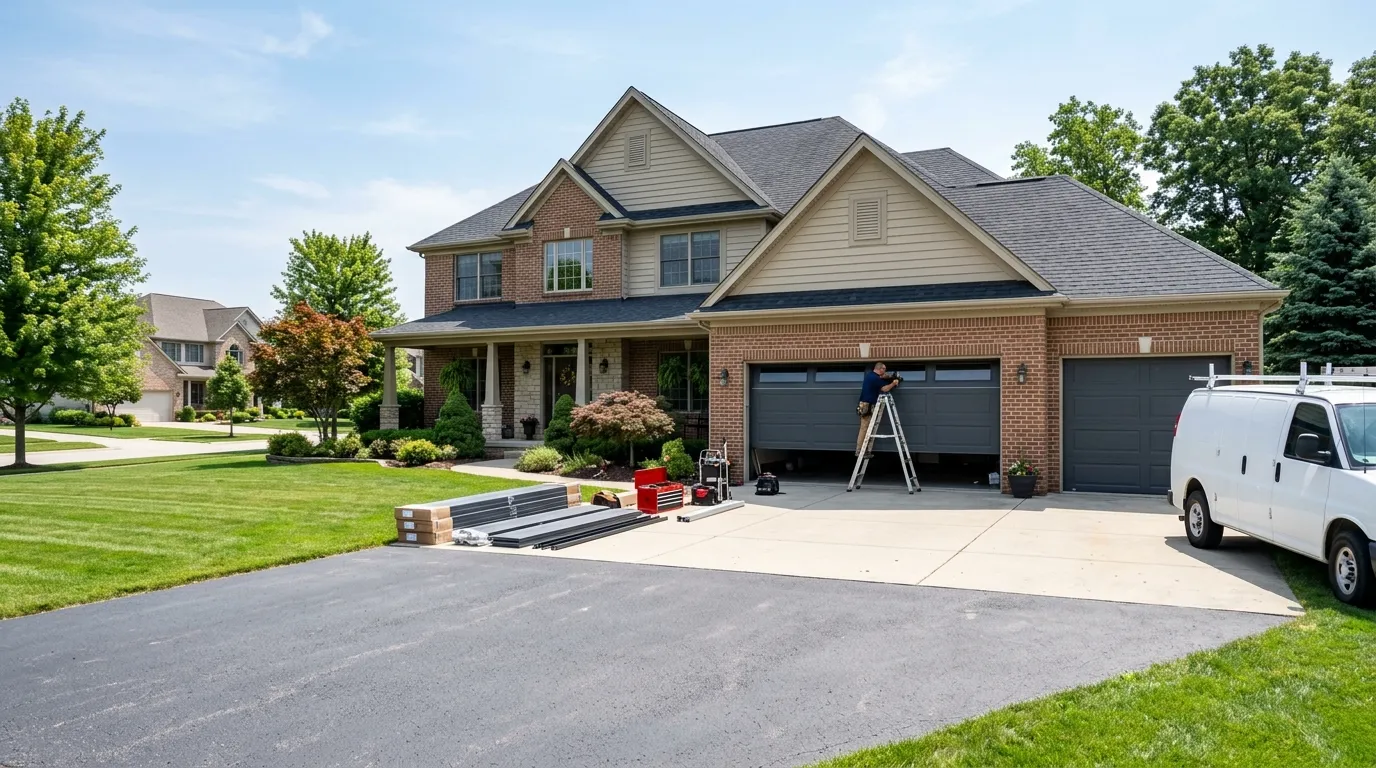
New Garage Doors Built for Warren's Older Housing Stock
Warren Garage Door Pros installs new garage doors built for houses put up between 1938 and 1981, sized and insulated for northeast Ohio's cold winters. Learn more →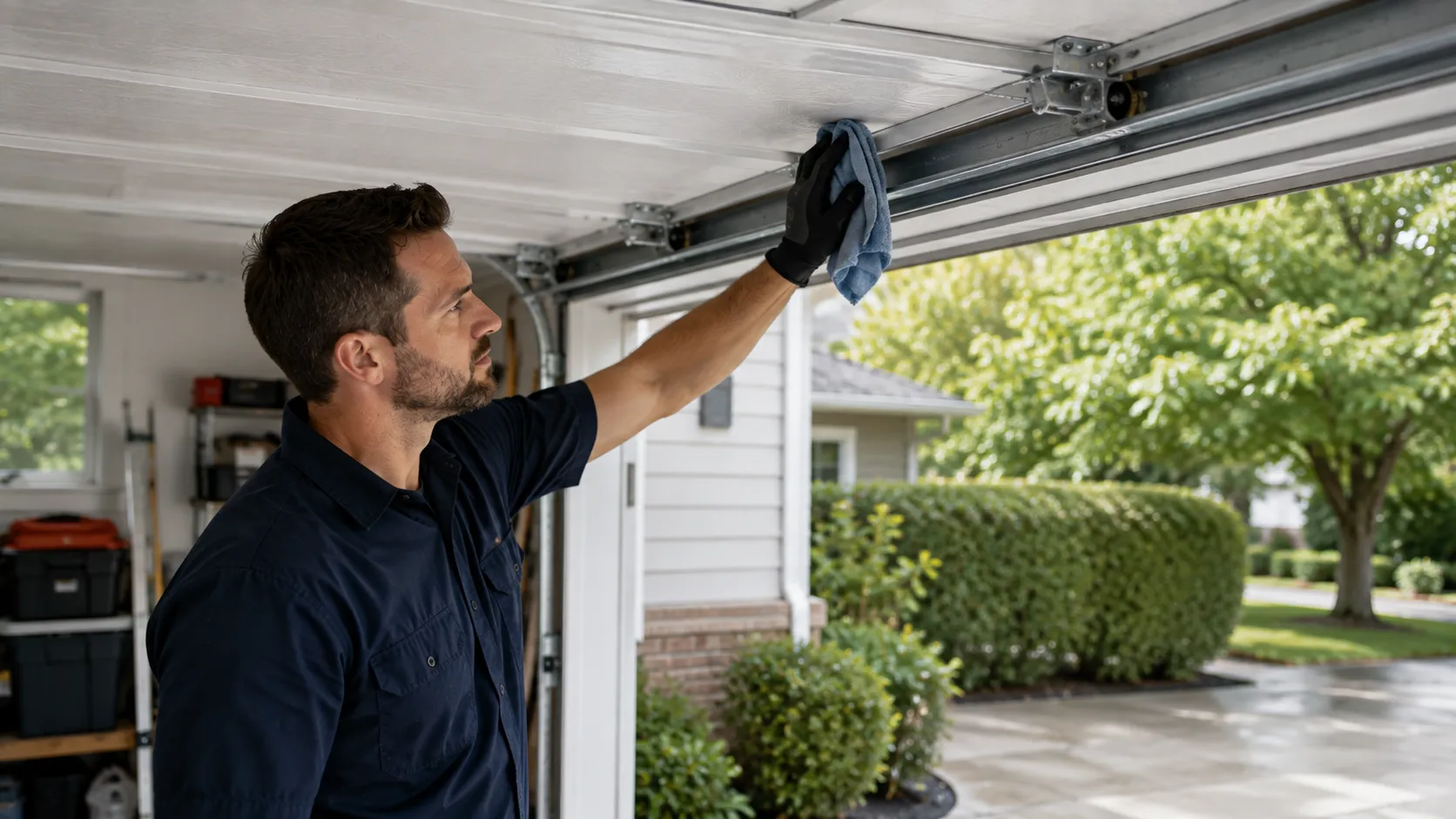
Garage Door Repair in Warren, Ohio
Warren Garage Door Pros repairs torsion springs, tracks, and openers on the older housing stock common across Warren, OH and the surrounding Mahoning Valley communities. Learn more →Local detail
What the Repair Takes
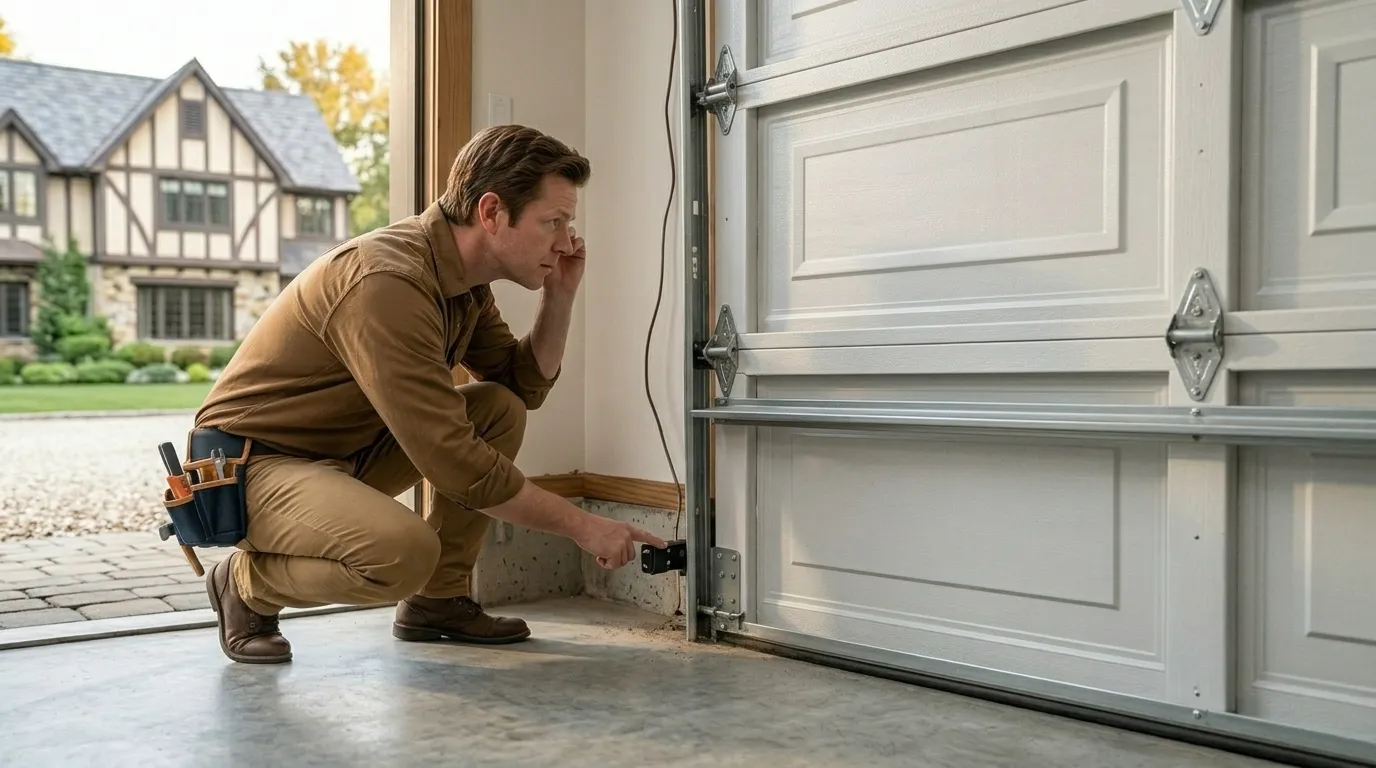
Most calls we run in Warren start the same way: a door that won't open, a spring that let go with a bang, or an opener grinding without lifting anything. The repair itself depends on what's actually broken, and on a lot of these houses that means working with hardware that's been in the opening since the 1960s or 70s. We open the panel, check the torsion spring wind, look at the track alignment, and test the cables before we touch the opener. On a house built in that era, the door is often original or a first replacement, so we're not always working with parts that match anything on a shelf.
Sometimes the fix is a spring swap and a lube job, done in one visit. Other times a bent track or a rusted-through bottom panel means the door itself is past the point where patching makes sense, and we'll tell you that instead of billing you for a repair that won't hold. We don't guess at spring tension by eye - we measure it, because a mismatched spring on a heavy older steel door is how someone gets hurt or how the opener burns out in six months trying to compensate.
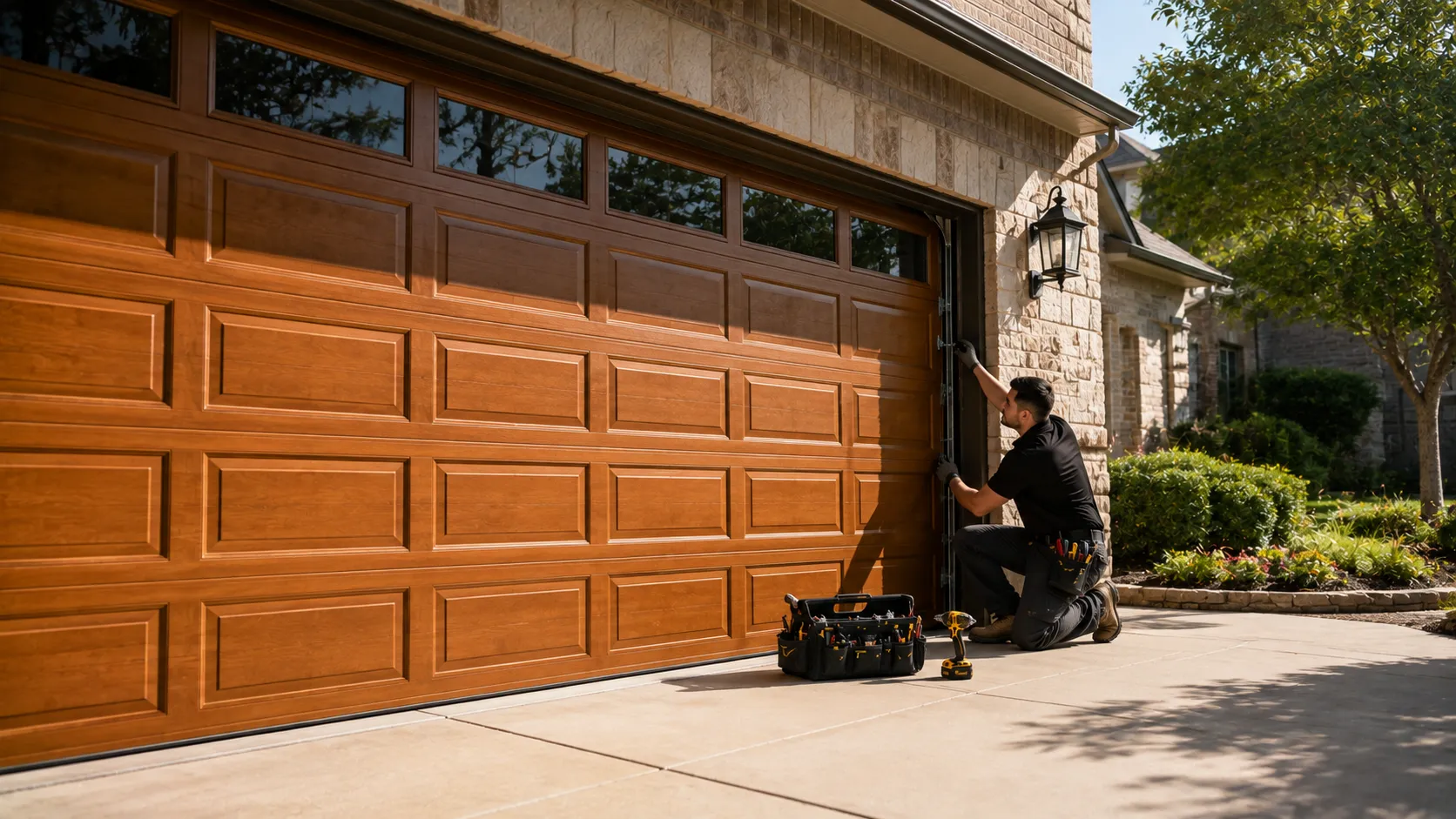
The area
Why It Happens Here
Warren sits in a cold-climate band with severe winters, and that matters more to a garage door than most homeowners think. Housing in this area runs 1938 to 1981, with the median build year around 1963, and across the 22 named areas we work in, most of the stock is 1960s-70s construction. Doors and openers from that period, or first-generation replacements installed on that hardware, weren't built for the freeze-thaw cycle we get every winter.
Steel contracts in the cold, torsion springs lose tension faster when they're already decades old, and tracks that were shimmed level in 1968 have usually shifted with the slab. Add rock salt and road grime tracked in on tires, and you get rollers and hinges that rust from the inside out even when the paint looks fine. None of this is dramatic - it's slow wear that shows up as a hard winter morning when the door won't budge, or a spring that finally snaps on the coldest week of the year, which is exactly when we get the most calls.
What we find
Parts We Carry
We stock torsion springs sized for the standard 7-foot and 8-foot residential openings you'll find on the older single and double-car garages common in this area, along with rollers, cables, and hinges that fit the section spacing used on doors from the 1960s-70s build era. Opener parts are trickier - chain and belt-drive units from that period were often discontinued long ago, and when a control board or logic unit fails on something that old, we may not be able to source an exact match. In that case we'll talk through a compatible replacement rather than promise a part we can't get.
What we don't carry on the truck is custom-width panel sections for nonstandard openings; those get special-ordered, and lead time depends on the manufacturer, not on us. We'd rather tell you that up front than have you wait on a promise we can't keep.
How we work
What You Are Seeing
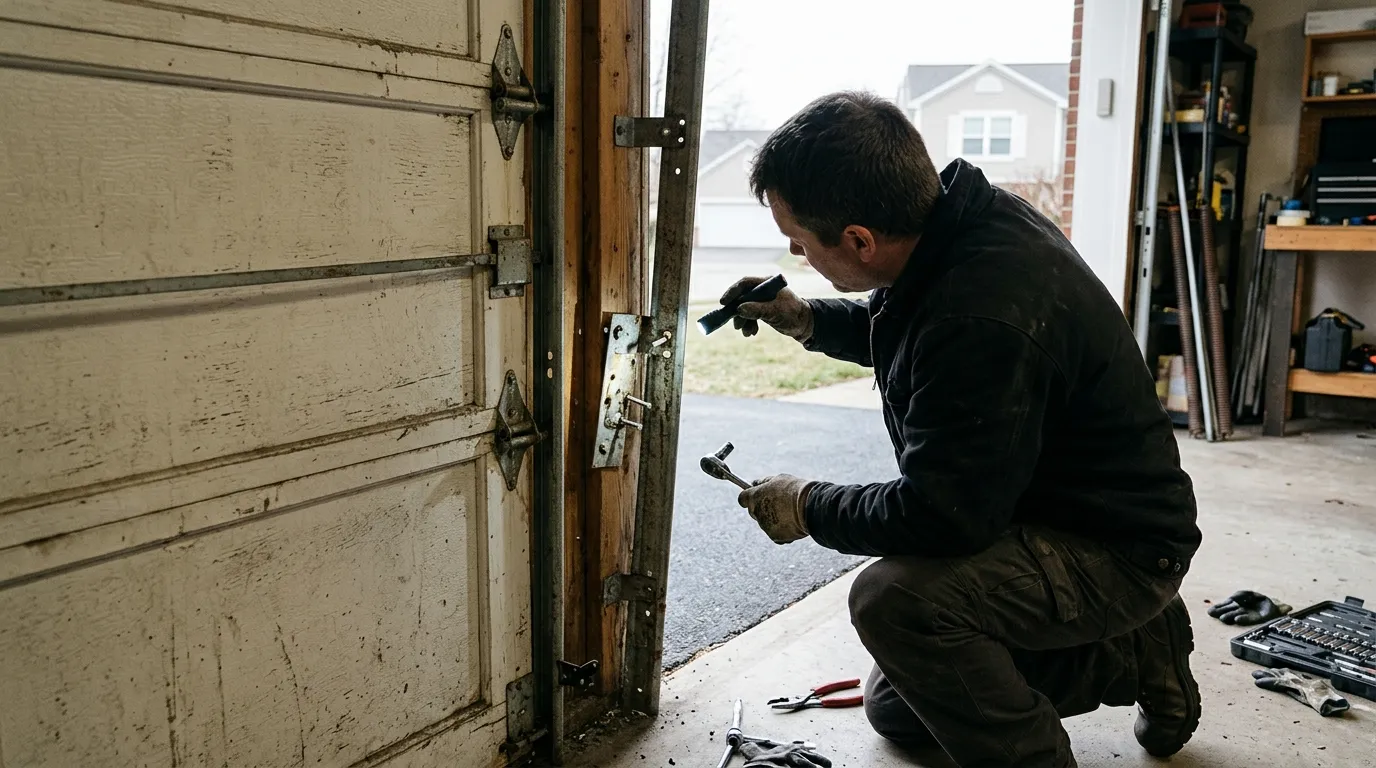
If your door is slow to rise on a cold morning and then works fine once the garage warms up, that's usually a spring losing tension in the cold, not a motor problem. A loud bang followed by a door that won't move at all is almost always a broken torsion spring - don't try to force it up by hand. Grinding or clicking from the opener with the door barely moving points to stripped gears or a worn drive belt, common once an opener from the 60s-70s stock has been asked to lift a heavier replacement door it wasn't sized for.
Rust streaks at the bottom corners, especially on houses near the older parts of Warren, Leavittsburg, or Howland Center, usually mean the bottom panel has been sitting in salt-slush runoff for a few winters and the steel is starting to go. A door that drifts open or shut on its own, or drops fast, is a cable or spring balance issue and it's a safety issue too - that one shouldn't wait.
Questions
Common questions
Why did my spring break in the middle of winter?
Cold makes steel more brittle and torsion springs lose a bit of tension as temperatures drop, so a spring that was already near the end of its life is far more likely to snap during a hard freeze than in summer. It's the single most common winter call we get in this area.
My house was built in the 1960s - is that why parts are hard to find?
Often, yes. A lot of Warren-area homes date to that build era, and original openers or first-generation replacements from that period sometimes use control boards or drive parts that are no longer made. We carry common spring, roller, and cable sizes, but an exact opener match isn't always possible.
Is it worth repairing an old door or should I replace it?
Depends on what's failed. A spring, cable, or roller is almost always worth fixing. A bottom panel rusted through, or a frame that's racked from decades of settling, usually isn't - we'll tell you honestly which side of that line your door is on before we start work.
How fast does a broken spring need attention?
Right away, in the sense that you shouldn't operate the door - by hand or opener - once a spring has broken, since the door is no longer balanced and can drop. Beyond that, timing depends on your schedule and ours.
Ready when you are
Need a garage door sorted in Warren?
Warren Garage Door Pros repairs and installs garage doors, springs and openers in Warren, OH and the surrounding area.