
Worn Garage Door Springs
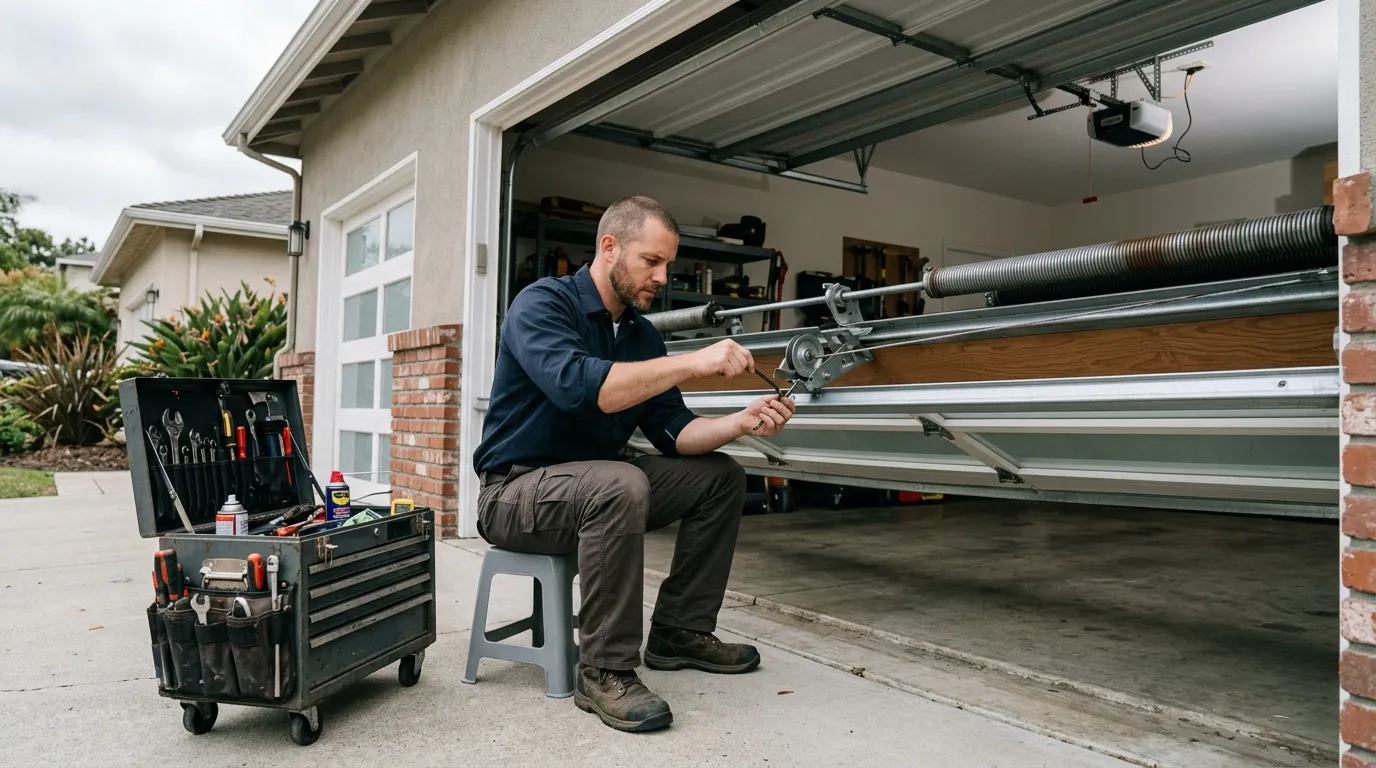
Garage door springs eventually reach the end of their useful cycle life after years of repeated opening and closing.
Local garage door service · Warren, OH
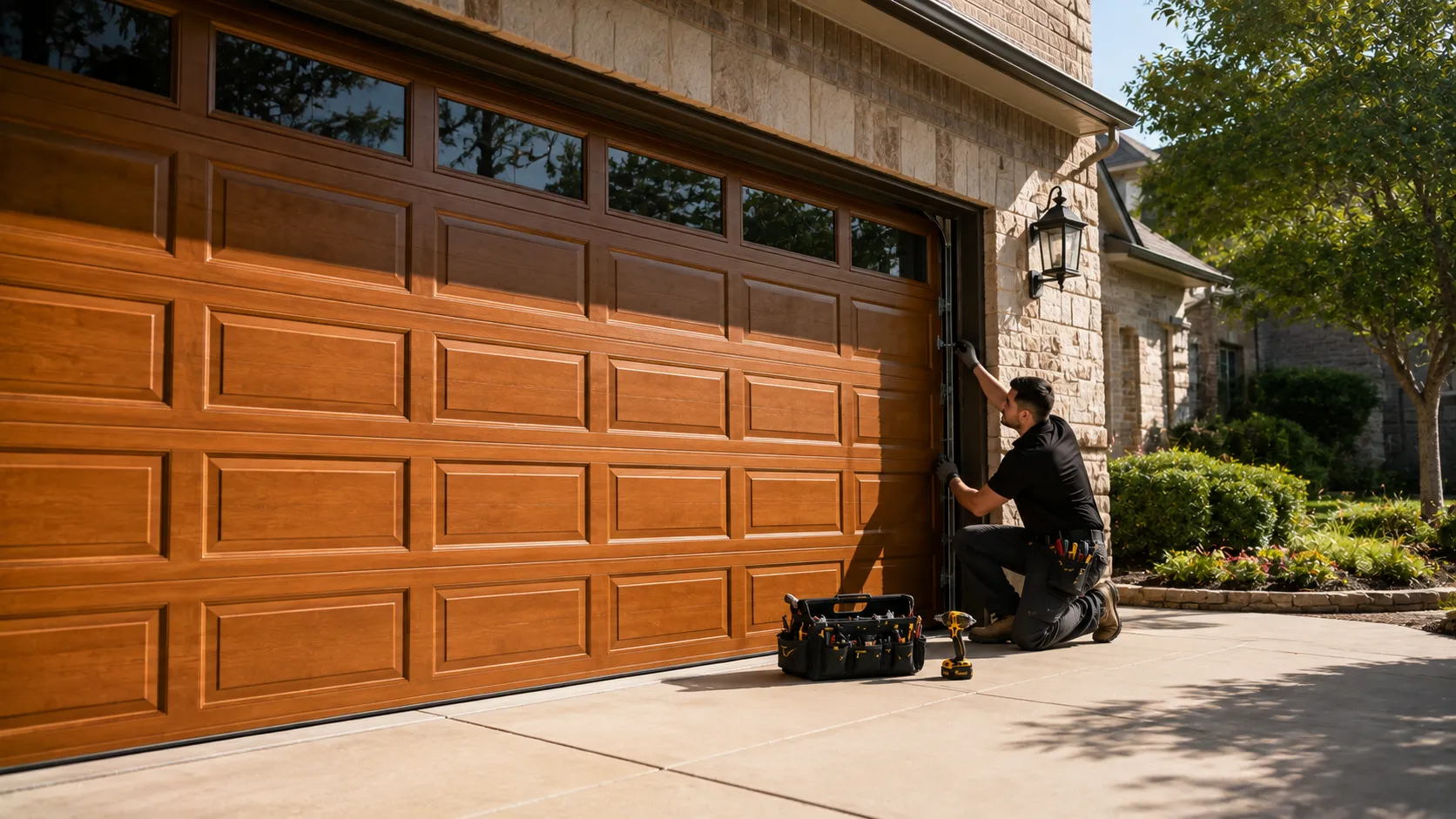
Garage door repair and installation for Warren homes spanning 1938 through 1981, covering cable repair, maintenance, off-track repair, panel replacement, roller replacement, and the older garage door systems common across the area's 1960s- and 70s-heavy housing stock.
Garage door services
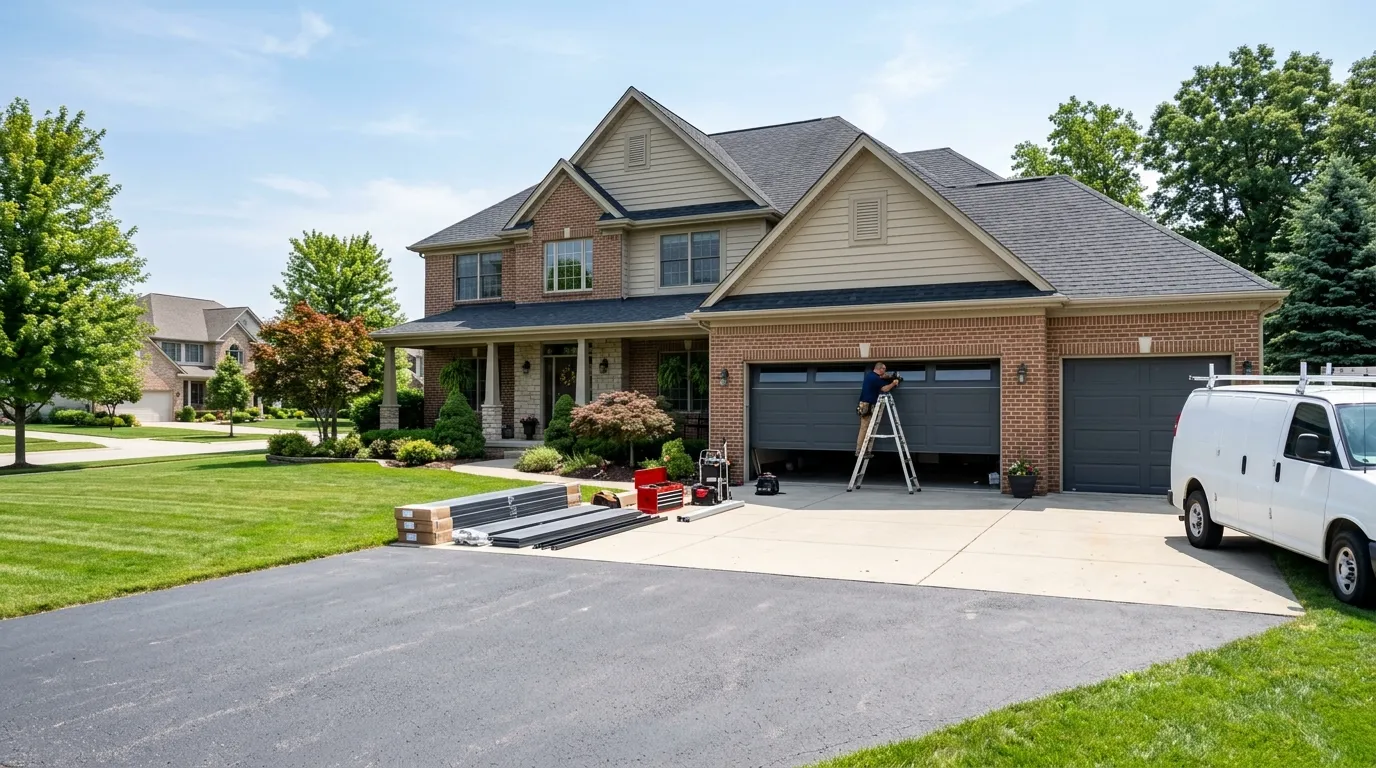
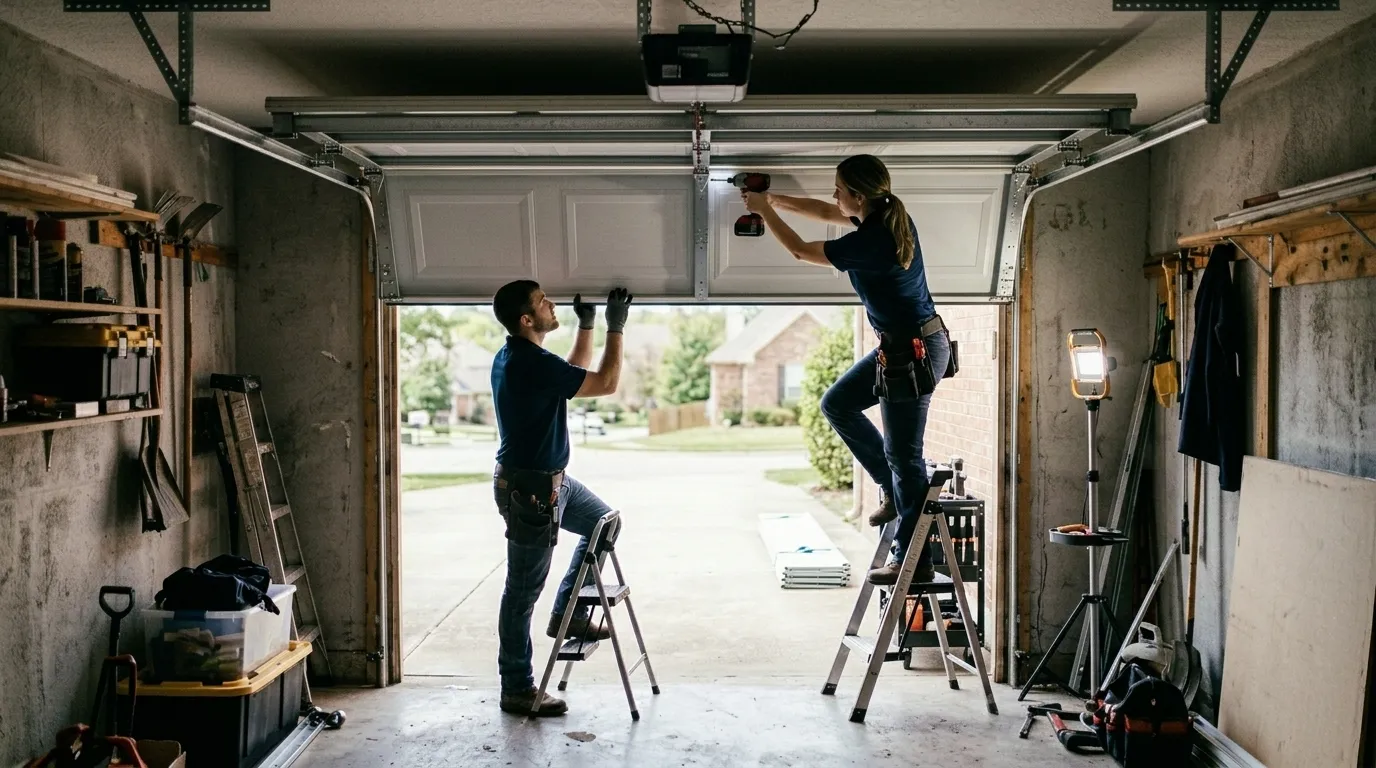
From cable repair and installation to maintenance, off-track repair, panel replacement, roller replacement, and general garage door service, the lineup is built around the older systems common across Warren's housing stock.
Common Warren garage door problems
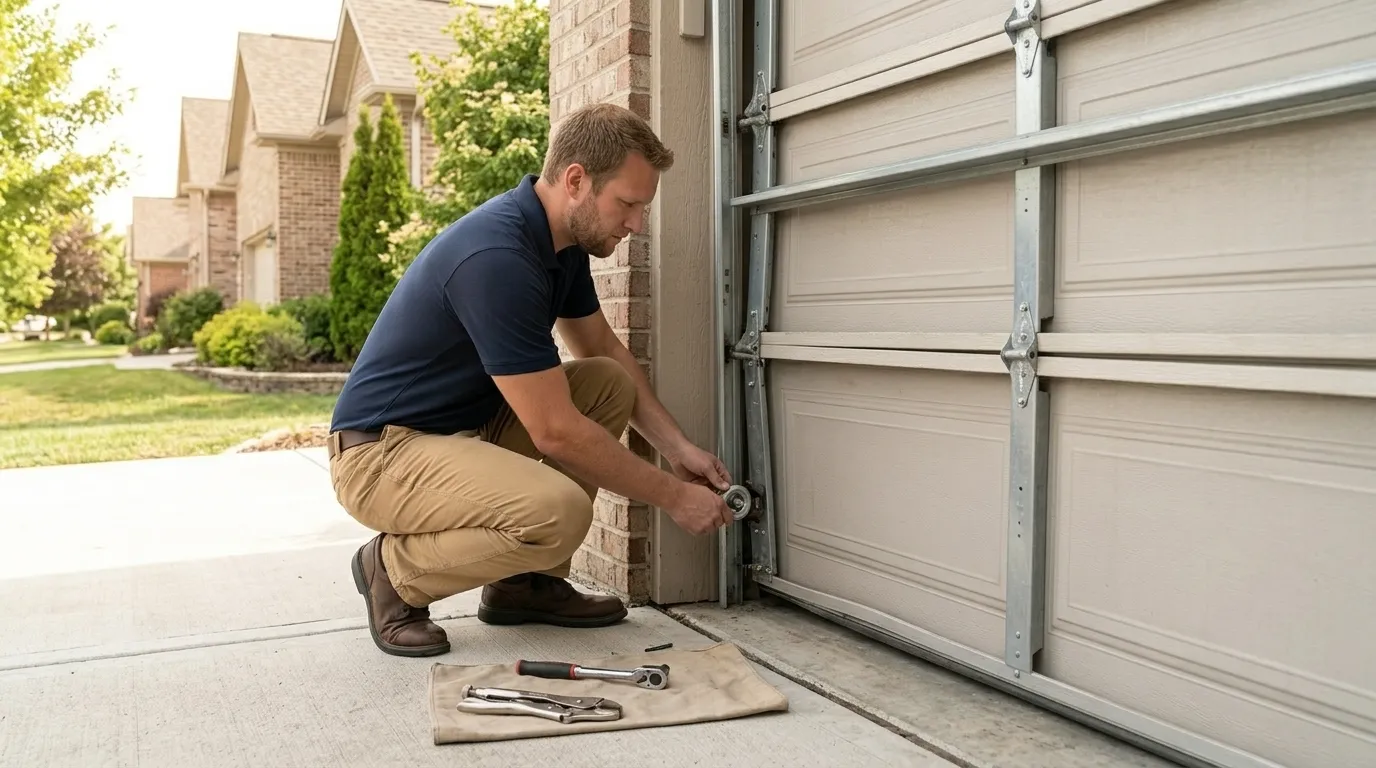
Worn springs, aging rollers, off-track doors, cable problems, older openers, and legacy hardware make up much of the work across Warren's 1938–1981 housing stock. Many service calls come from homes built between 1938 and 1981, with a median build year around 1963; older springs eventually reach the end of their useful cycle life, while rollers, cables, tracks, and opener components accumulate wear through decades of regular operation; some garages still use older single-panel doors or other legacy hardware whose replacement parts may no longer be standard shelf items; and cold-weather operation can expose weakness in systems that already have spring fatigue, roller resistance, track problems, or aging opener components. The correct repair depends on inspecting the whole system rather than assuming every noisy or stuck door has the same cause.
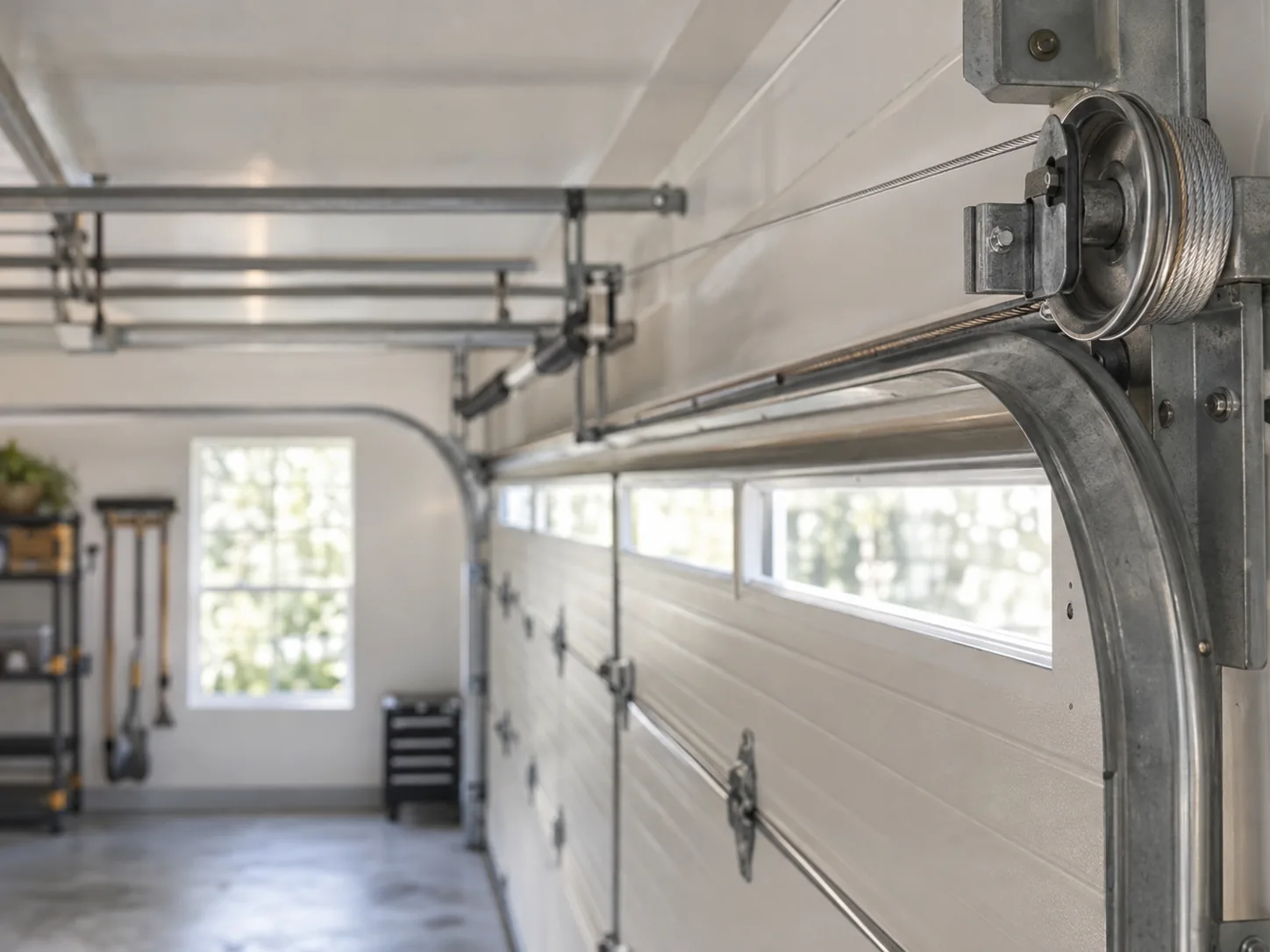
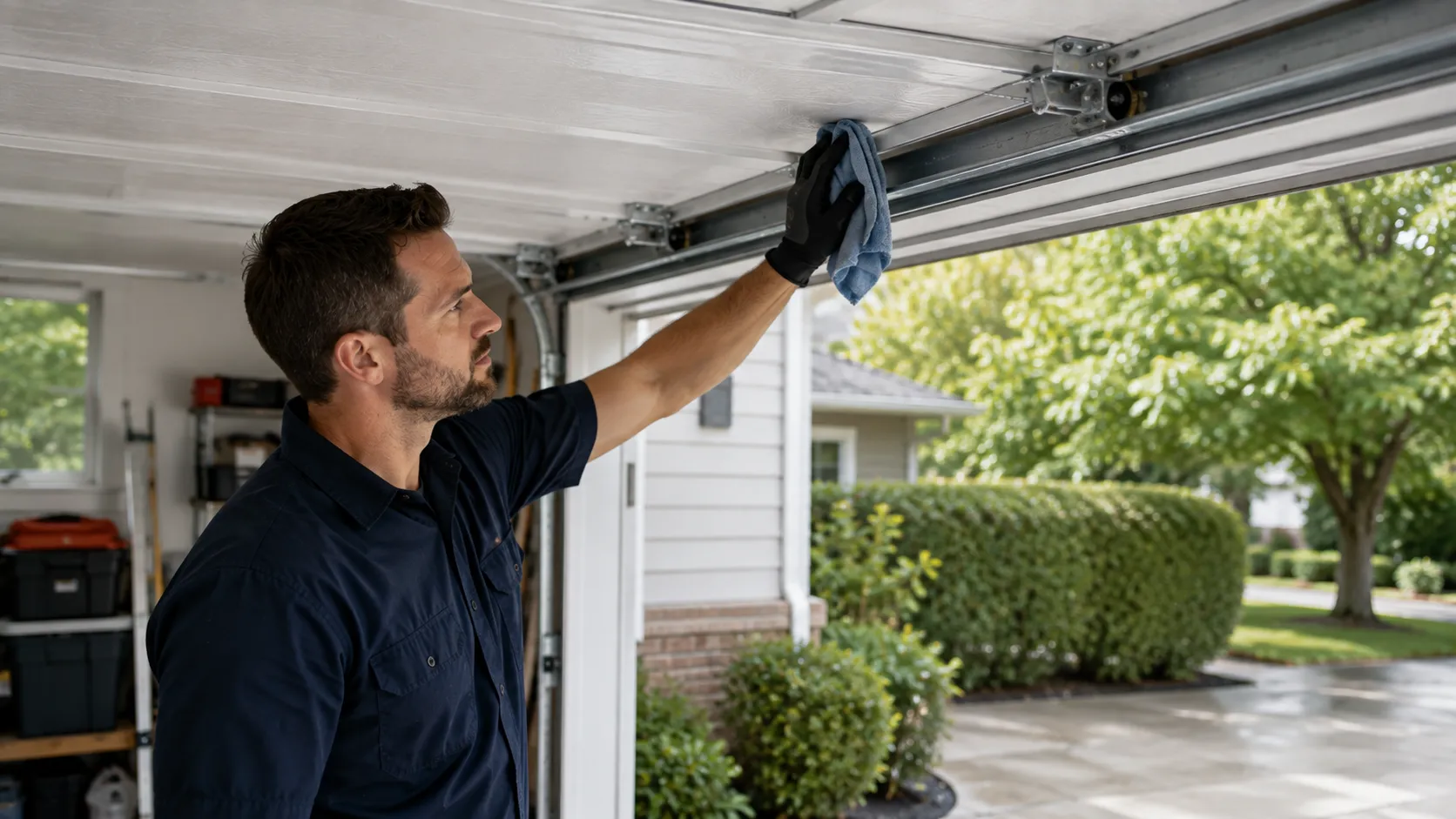
Garage door springs eventually reach the end of their useful cycle life after years of repeated opening and closing.
Older rollers can become noisy, rough, damaged, or resistant after years of regular track travel.
Cable problems, roller wear, impact, binding, or alignment issues can leave a door shifted or unable to travel correctly.
Cables can fray, loosen, slip, or fail after years of carrying repeated lifting loads.
Older single-panel doors and other earlier systems can use tracks, springs, rollers, brackets, or opener hardware that is less common today.
Local housing matters
The broader source service area spans homes built from 1938 through 1981, with a median build year around 1963 and much of the housing concentrated in the 1960s and 70s.
That creates a mix of older single-panel doors, earlier sectional systems, torsion hardware, steel tracks, replacement openers, lower-headroom garages, rollers, cables, and several generations of repair work.
The broader footprint covers approximately 22 named areas.
A house built in the 1960s may still have its original garage opening even if the door or opener has been replaced since then, so current hardware should be inspected directly.
The build year provides useful context, but the correct repair depends on what is actually installed today.
1930s–1980s garage door systems
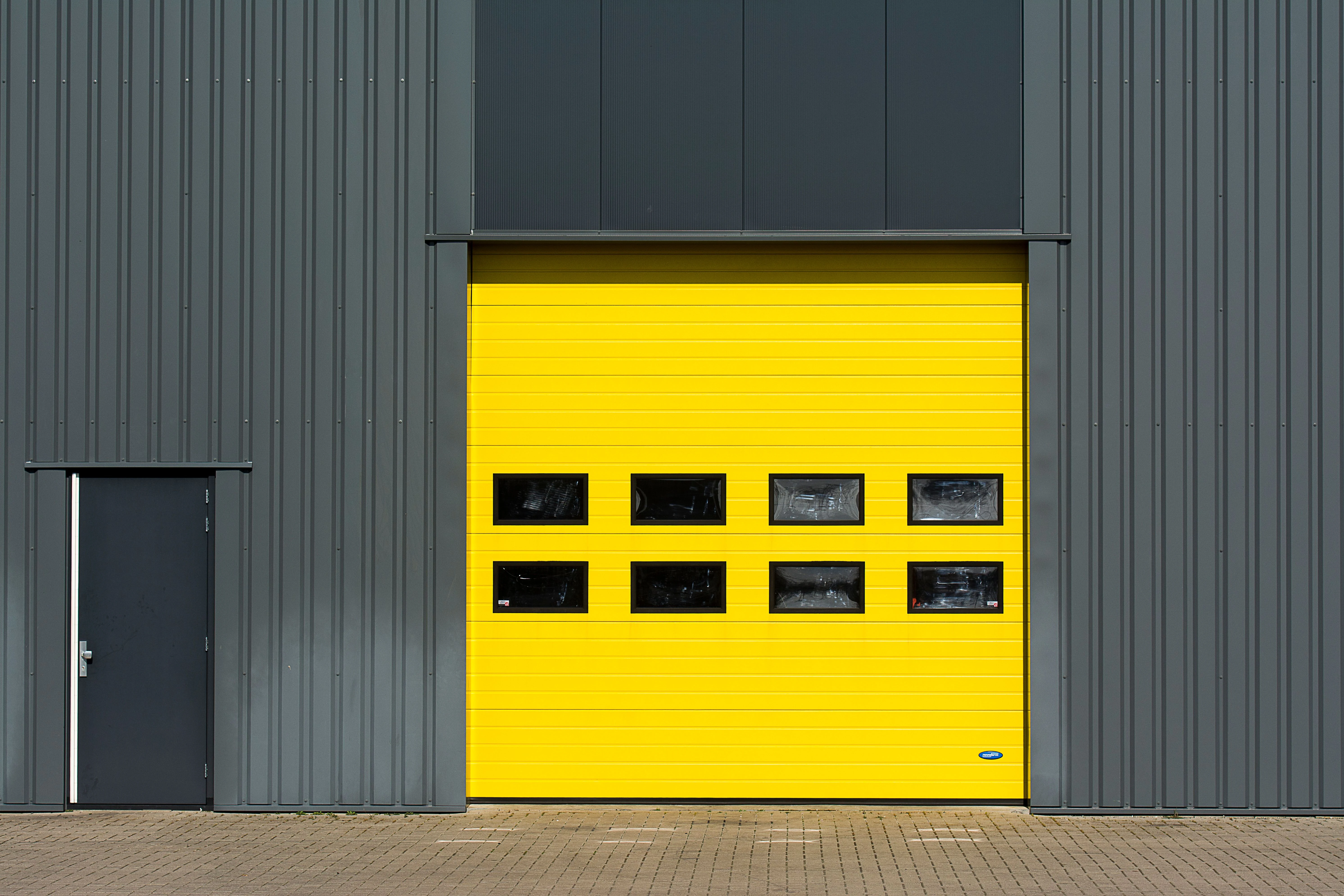
Warren's older housing range means garages can combine single-panel doors, earlier torsion systems, lower-headroom tracks, replacement openers, and several generations of hardware.
Some homes can retain single-panel or earlier sectional garage doors whose hardware differs substantially from current systems.
Older garage openings can have less overhead clearance and different track spacing than newer residential construction.
A garage may have a newer opener or door while retaining older tracks, springs, cables, rollers, or brackets.
Some original or older components may no longer be standard stock and can require additional sourcing.
Cold-weather garage door wear
Warren is a cold-climate service area, so winter operation tends to expose existing spring fatigue, roller resistance, track issues, seal problems, and opener load rather than cold or freeze-thaw conditions alone causing mechanical failure.
Cold-weather operation can expose weakness in a spring that is already approaching the end of its useful cycle life.
Worn rollers, track damage, or marginal alignment can become more noticeable when an older door is already moving with added resistance.
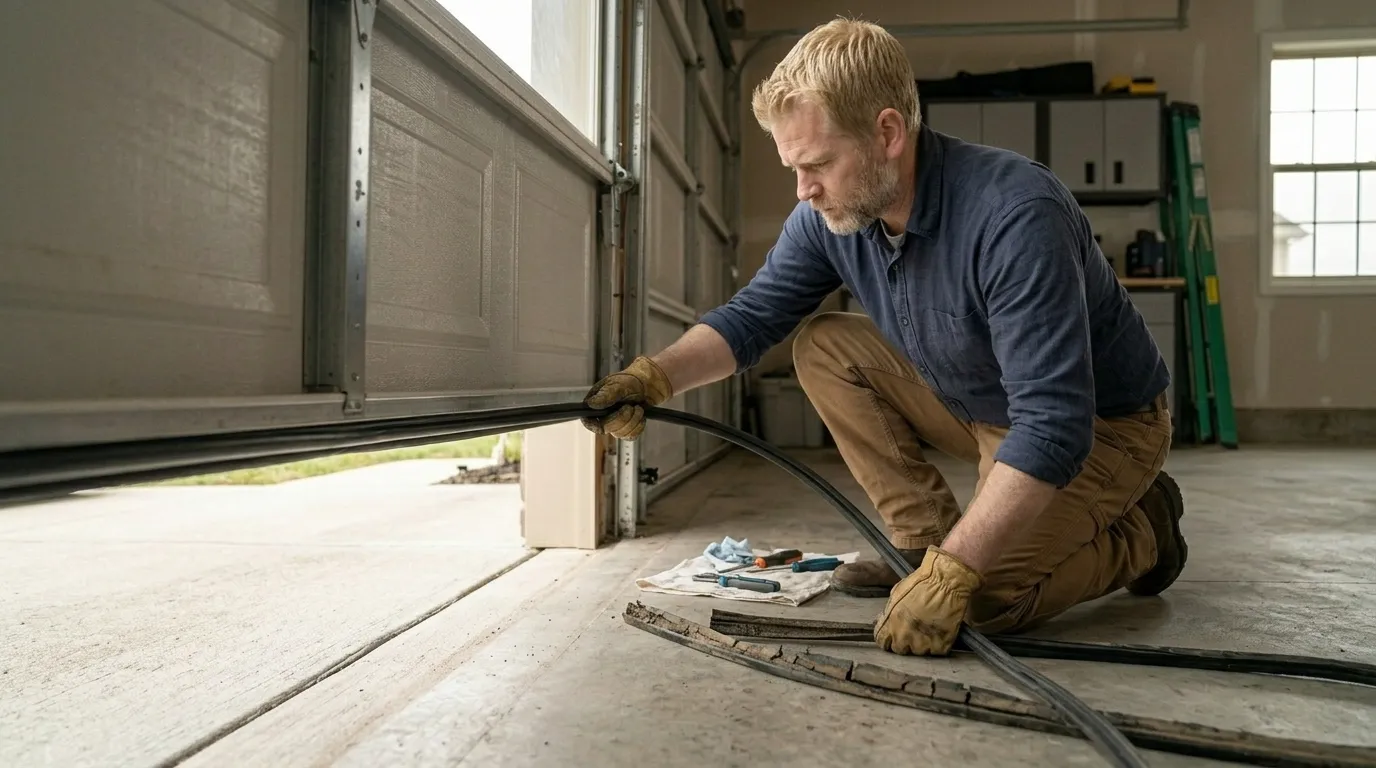
Aging bottom seals can stiffen, crack, or lose contact over time, allowing moisture and debris around the lower edge of the door.
An opener can work harder when spring, roller, track, or balance problems are already making the door difficult to move.
Keep the system moving
Periodic inspection can help identify spring fatigue, cable wear, roller problems, track movement, opener strain, seal deterioration, and aging hardware before a small issue becomes a complete failure.
Changes in door balance can indicate the spring system is no longer carrying the door as effectively as it should.
Fraying, rough travel, looseness, or visible roller wear can point to developing lifting and guidance problems.
Tracks, brackets, hinges, mounting points, and older hardware can be checked for movement, impact, looseness, or long-term wear.
Worn seals and changes in opener sound, travel, reversing, or force can provide early signs that service is needed.
What to expect
We start with what the door is actually doing, ask about its age, inspect the actual hardware, and set a clear parts expectation when specialty or legacy components need sourcing.
Tell us whether the door won't open, is stuck halfway, is off track, or the opener runs without moving the door.
We ask about the age of the house and door because it helps narrow down whether the system may still use older hardware.
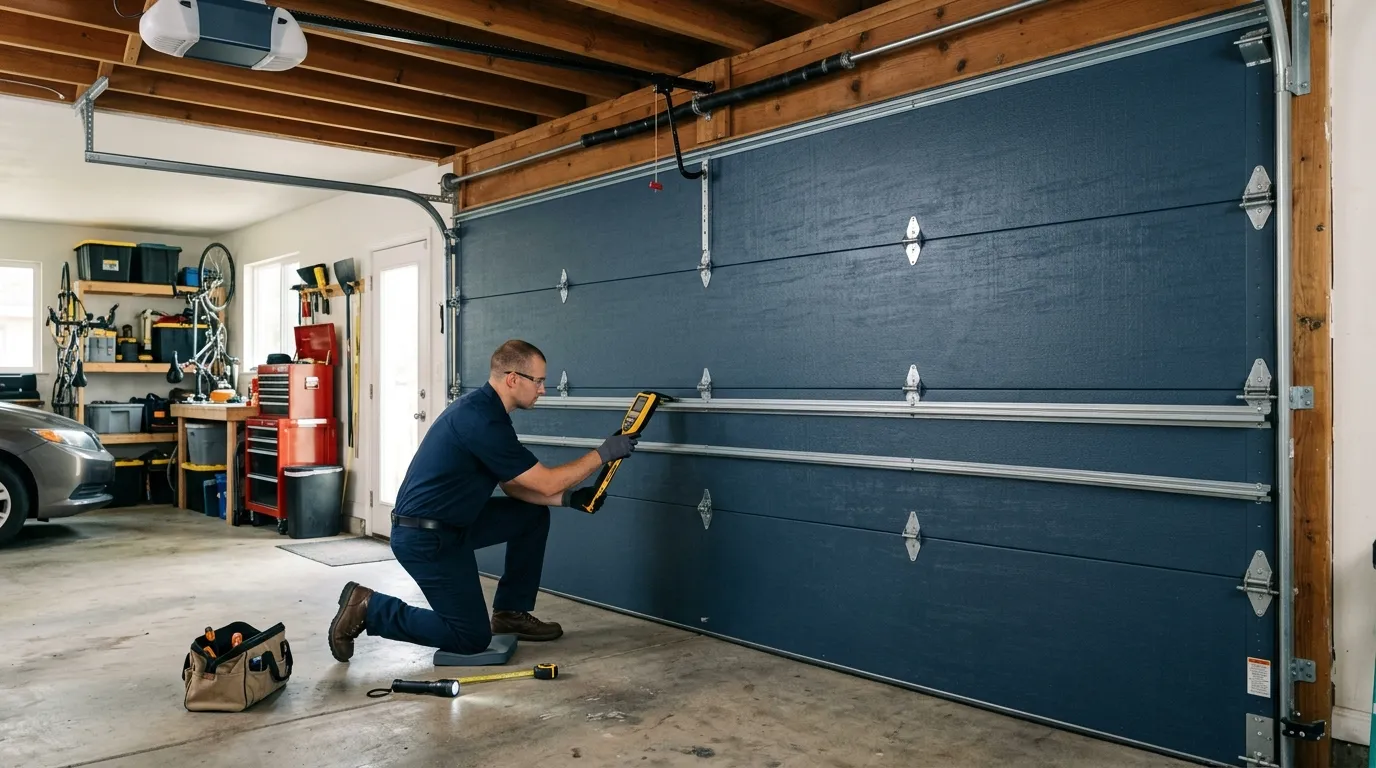
The springs, cables, rollers, tracks, opener, panels, and supporting components are inspected before the final repair scope is set.
Common components may be readily available, while specialty panels, unusual dimensions, or legacy hardware can require additional sourcing.
Not Every Repair Is Same-Visit
Specialty panels, odd-width doors, and older hardware may need to be ordered rather than treated as guaranteed same-visit repairs.
Clear repair guidance
There isn't one flat repair price, because cable repair, roller replacement, off-track work, installation, maintenance, and panel replacement can involve different parts and labor.
Door weight, spring size, track configuration, roller condition, cable condition, panel type, and parts availability can all change the scope.
Median household income across the broader service area runs around $62,149, but the price still comes from the door in front of us.
We repair what can be repaired reliably rather than default to complete replacement.
When older hardware is no longer available or structural deterioration makes repair poor value, replacement can be discussed instead.
Repair or replace?
A cable, roller, track, or isolated hardware problem doesn't automatically mean the entire garage door needs replacement. Replacement becomes more practical when major structural components are deteriorated or critical older parts are no longer reasonably available.
A targeted repair can make sense when the panels, tracks, opener, springs, cables, and surrounding structure remain serviceable.
An older garage door can remain worth keeping when its structure is sound and the immediate failure is isolated.
Replacement becomes more practical when panels are rusted through, tracks are badly damaged, or reliable alignment cannot be restored.
If critical components are no longer reasonably available, broader replacement can offer better long-term value than repeated patch work.
Service areas
Questions
Cold makes steel more brittle, and springs already worn down from years of cycling tend to fail on the coldest days rather than mild ones. In a climate band this cold, that's a common pattern, especially on original hardware from a 1960s or 70s build that's been running the same spring for decades.
Yes, and we see a lot of them given how much of the housing here dates to the 1960s and 70s. These doors run on different track and spring setups than modern sectional doors, and parts for them aren't always sitting on a standard shelf, so we may need to order a piece rather than swap it same-day.
We cover towns from Leavittsburg at 3 miles out to Lowellville around 20 miles, including Niles, Girard, Cortland, Austintown, and Canfield along the way. If you're within that range, we're likely already familiar with the housing stock on your street.
Not an exact one. Spring size and door weight vary enough between an original 1960s door and a newer replacement that we need to see the door to quote accurately. We can tell you what typically drives cost up or down for your situation before we come out.
Ready when you are
Tell us what the door is doing and we'll help you figure out whether you're dealing with a cable problem, off-track door, worn rollers, panel damage, maintenance need, installation issue, or another aging component in the system.