
Guide
Is Your Warren Garage Door Worth Fixing, or Time to Replace It
Most Warren, OH garages still have doors from the 1938-1981 building boom. Here's how to judge whether yours is worth repairing before winter hits hard.
Local detail
The Problem
Most houses in Warren went up between 1938 and 1981, with the median landing right around 1963. That means the garage door bolted to your house is very likely as old as the house itself, or close to it. A door from that era wasn't built for the openers, insulation standards, or spring ratings we install today. It was built to match a house that's now pushing 60 to 80 years old.
The problem shows up as a mix of small failures that look unrelated but come from the same source: a torsion spring wound for a lighter, thinner panel than what's actually hanging on it now if the door's ever been swapped out piecemeal, hinges worn oval instead of round, and track that's been re-shimmed so many times it's not square anymore. None of that means the door is junk. It means the door has to be judged on its own, not by a rule of thumb that works for a house built in 2005.
We get calls where the door still looks fine from the driveway but the spring is one cold morning away from letting go. That's the gap between looking fine and being fine, and it's wider on a door this age than most owners expect.
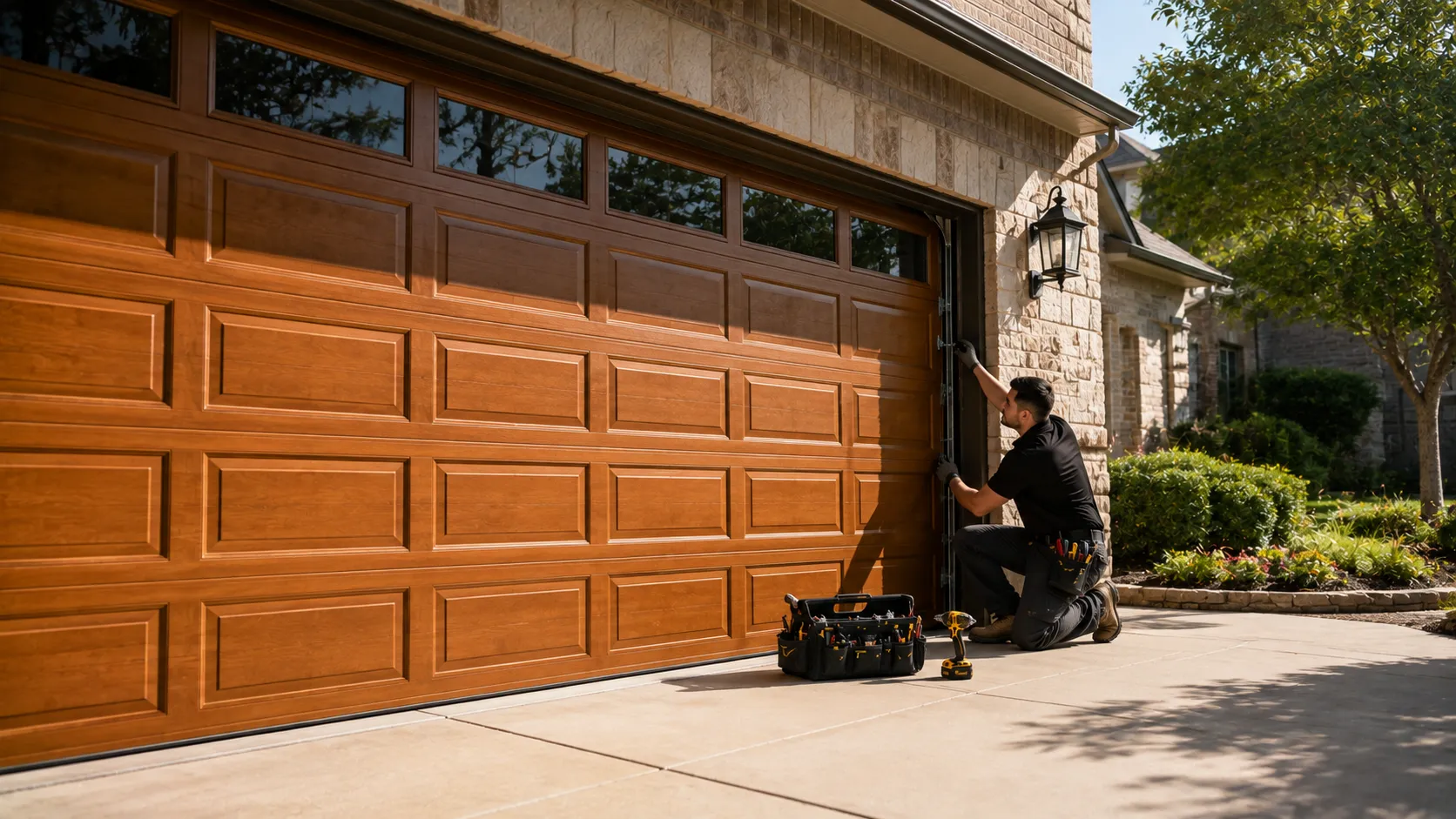
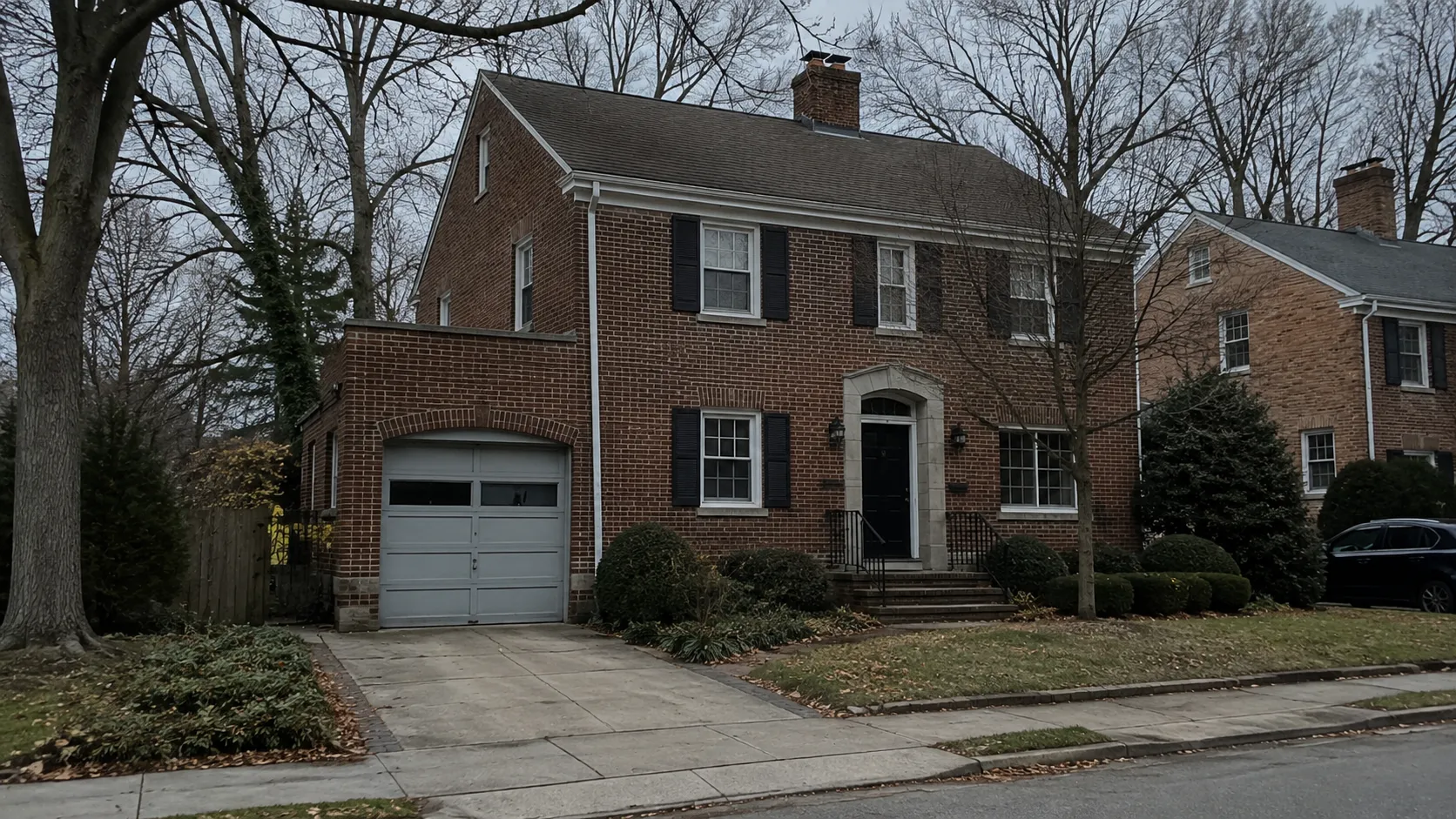
The area
What Local Conditions Do
Warren sits in the severe end of the cold climate band, and that matters more for an older door than a newer one. Steel panels contract in hard cold, and on a door that's already 40 or 50 years old, the seams and joints that have been flexing that long start to show gaps that weren't there ten winters ago. Torsion springs lose tension faster in cold cycling than people assume - a spring that held fine through August can bind or snap in January.
Ice is the other piece. A track that's slightly out of plumb, which is common on original hardware that's shifted with the house over decades, will hold water at the bottom roller channel. That water freezes overnight and locks the door solid, or worse, forces the opener to keep pulling against a frozen track until something in the drive mechanism gives out.
None of this is dramatic on its own. It's cumulative. A door that's been fine for years can go from working to broken in one hard freeze, because the cold is the thing that finds every weak point the age already built into the hardware.
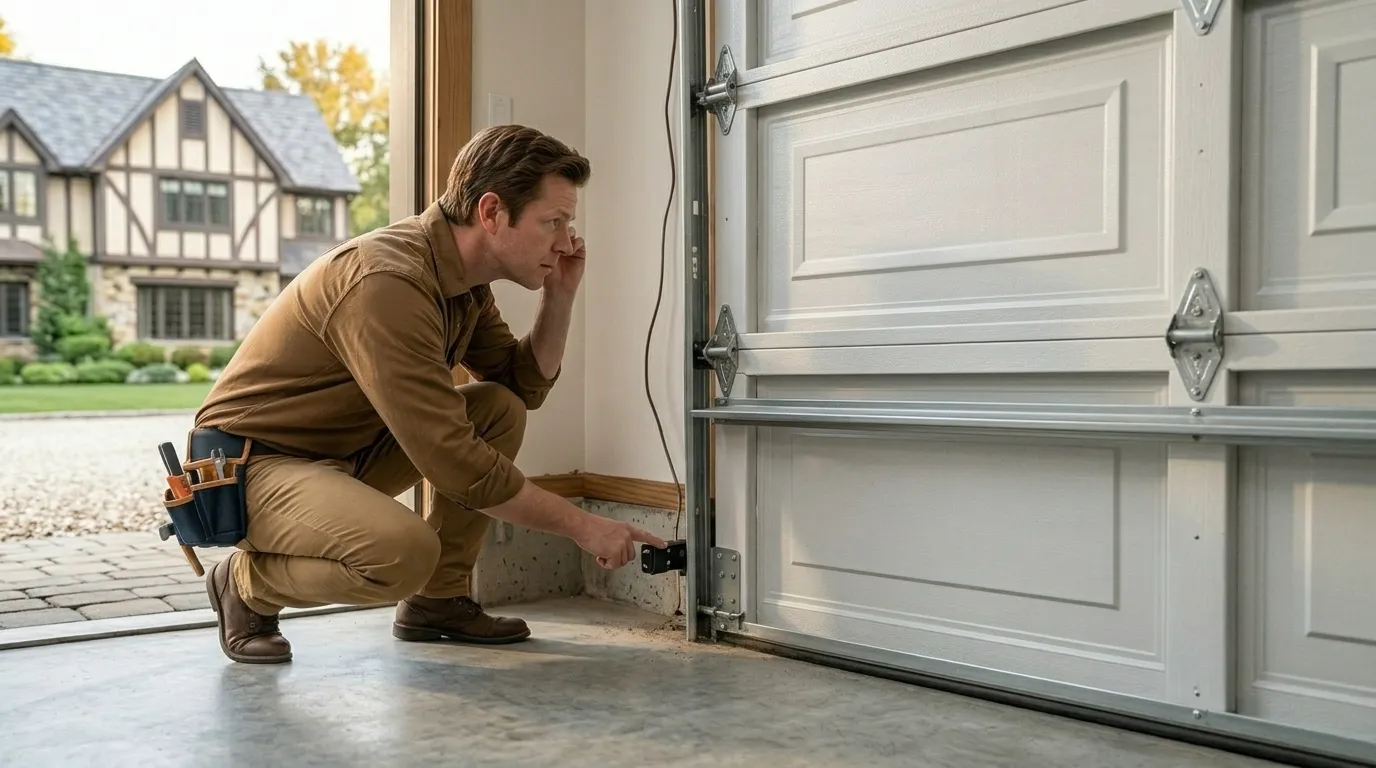
What we find
Where People Go Wrong
With median household income in this area sitting at $62,149, we see a lot of owners try to stretch an old door with the cheapest fix available - patch the panel, swap the roller, tighten the hinge - instead of asking whether the whole assembly is past the point where patching makes sense. That's not a bad instinct. It's the right instinct on a door with a few isolated problems. It's the wrong instinct once you're replacing the third component in two years.
The other mistake is replacing a spring or opener without checking what it's rated for against the actual door. Across the 35,694 owner-occupied houses in this service area, a lot of the original doors are still running on the same torsion springs they left the factory with, and a well-meaning repair sometimes puts in a spring sized for a modern insulated door on an old solid-panel door that weighs more. That mismatch either wears out fast or puts stress on a track that was never built for it.
We won't sell a spring swap on a door where the track and hinges are also failing. At that point the labor on three separate repairs usually costs more than one clean replacement.
How we work
Checking It Yourself
Start with the age. If your house falls in that 1938-1981 range, common across most of the 22 named areas here from Leavittsburg to Howland Center, assume the door hardware is original until you find a reason to think otherwise. Look at the spring first - a rusted, unevenly stretched torsion spring is the most common failure point on a door this old, and you can see uneven wear without touching it.
Next, run the door by hand with the opener disconnected. It should move smoothly and stay put at any height. If it drops on its own or feels heavy in your hands, the spring is losing tension, which matters more once winter cold sets in.
Check the bottom of the track for rust pitting or standing water marks - a sign that ice has been forming there, which is common on older, slightly misaligned track. Last, listen for grinding on the rollers. Steel rollers on original hardware wear loud; nylon replacements are quieter and worth the swap on their own.
We don't recommend chasing parts for hardware bent or rusted beyond straightening - once the track's shot, a repair costs nearly what a new door would, without solving the underlying age problem.
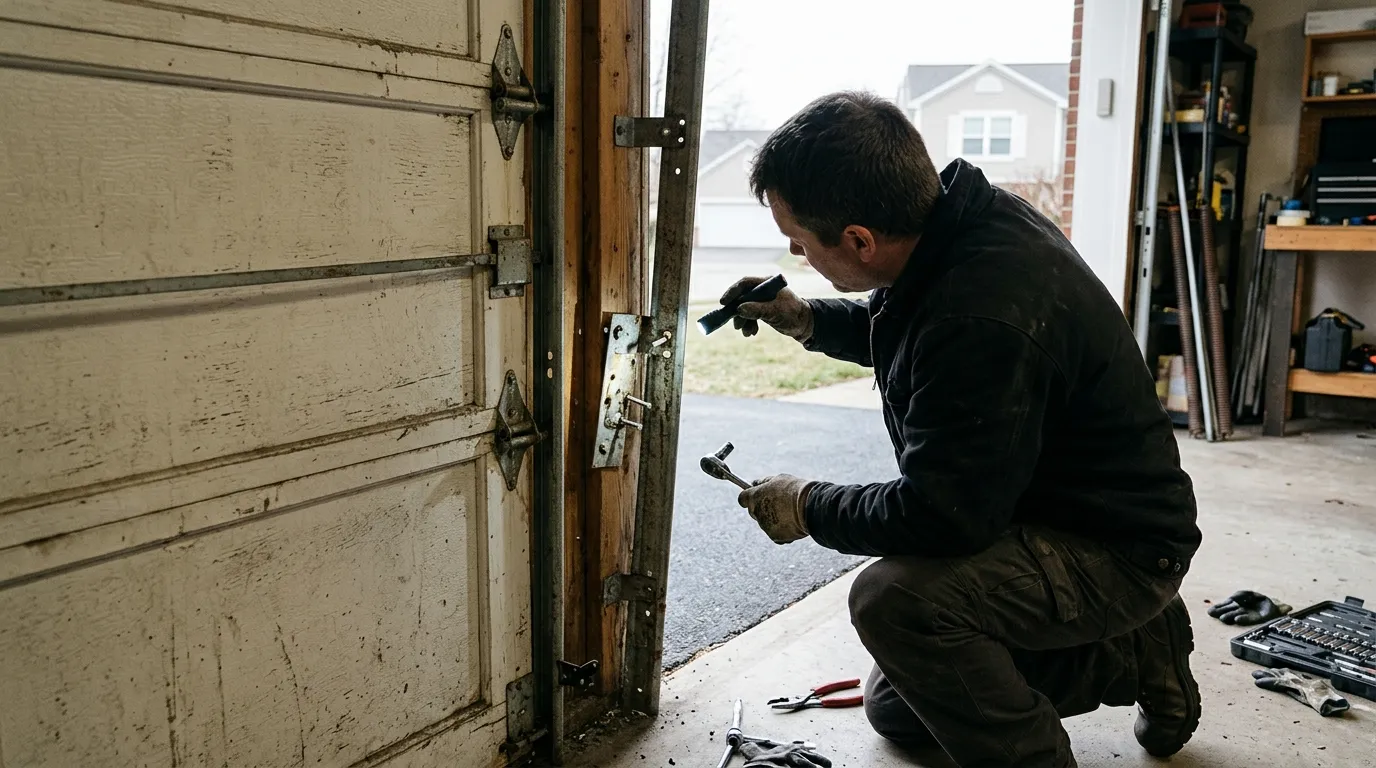
Questions
Common questions
How do I know if my garage door is original to the house?
If your house was built between 1938 and 1981, which covers most of Warren, check for steel rollers, a single torsion spring instead of two, and hinges without any manufacturer sticker from the last 20 years. Those point to original hardware. A repair invoice or opener install sticker in the garage can also tell you when something was last swapped.
Is it worth replacing just the spring on an old door?
Usually yes, if the track, rollers, and panels are still sound. A spring swap on an otherwise healthy older door is one of the cheaper fixes available. It stops making sense once you're also dealing with bent track or worn hinges, because at that point you're paying for several repairs that together cost close to a full replacement.
Does cold weather actually damage garage doors here?
Yes. Warren's winters sit in the severe end of the cold band, and that cold cycling stresses springs and seams on older doors faster than a milder climate would. Ice buildup in a slightly misaligned track, common on decades-old hardware, is one of the most frequent winter failures we see.
Ready when you are
Need a garage door sorted in Warren?
Warren Garage Door Pros repairs and installs garage doors, springs and openers in Warren, OH and the surrounding area.