
Guide
Why Warren Garage Doors Draught in Winter
Warren houses built mostly between 1938 and 1981 lose heat fast through old garage door seals. Here's what cold-climate draughts do to that stock and how to check yours.
Local detail
The Problem
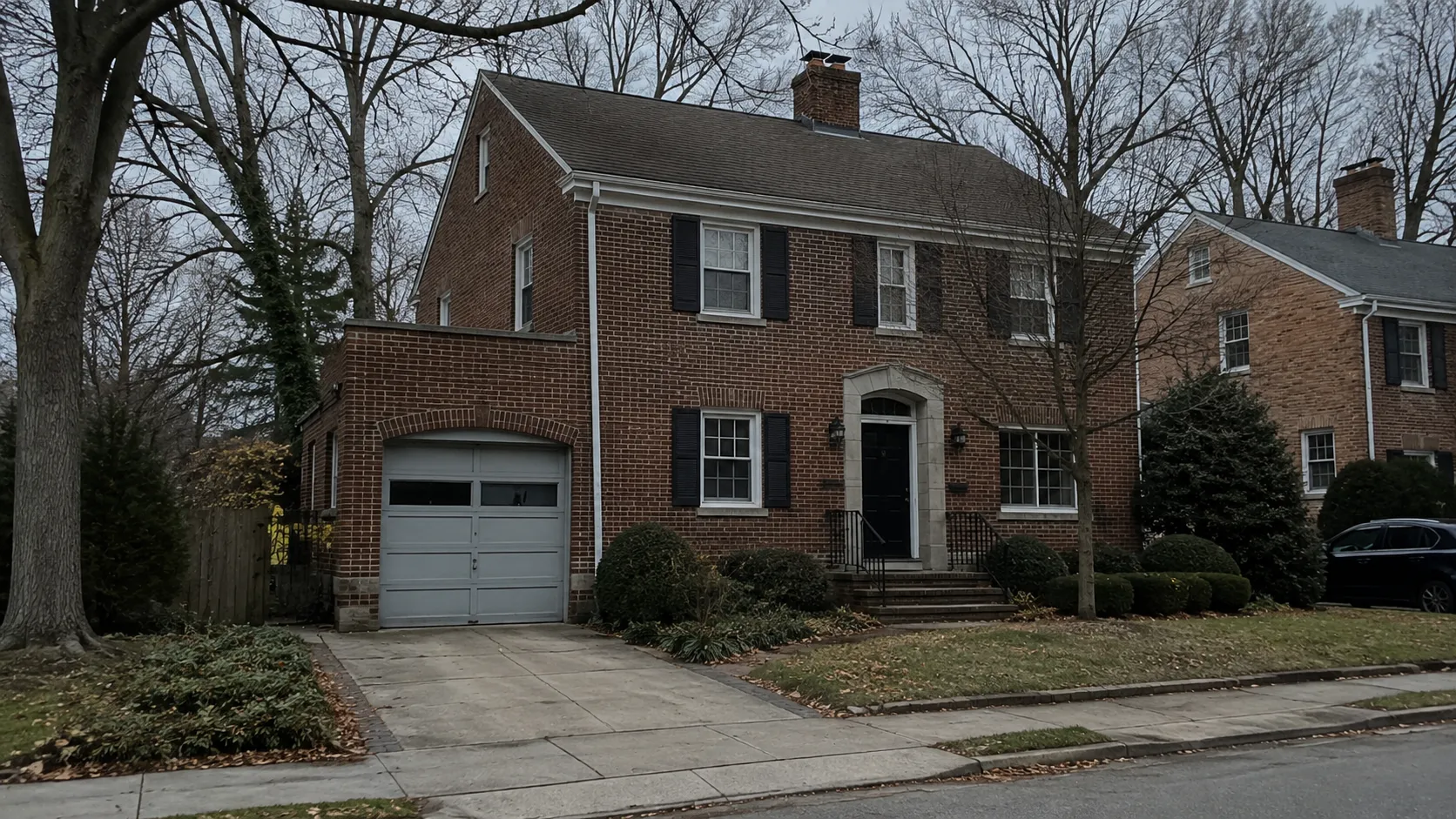
Most of the houses we get called to in Warren went up somewhere between 1938 and 1981, with the median build year landing around 1963. That means the garage door on your house is almost never the original - it's a replacement from the 80s, 90s, or later, hung on an opening that was framed for a different era of hardware. The seal channels on those older openings were never cut to today's dimensions.
Add a severe cold climate on top of that, and you get a gap between the bottom seal and the slab that lets air move both ways. Homeowners notice it as a cold floor near the door, frost on the inside panel, or a draught they can feel standing six feet back. It's not a defect in the door itself most of the time - it's a mismatch between an old opening and whatever seal got tacked onto it during the last repair or install.
The area
What Local Conditions Do
Cold-climate swings do two things to a garage door seal that milder places don't see as often. First, repeated freeze-thaw at the slab edge causes the concrete to heave or settle slightly over the decades, which opens a gap under a bottom seal that fit fine when it was installed. Second, vinyl and rubber seals get brittle in sustained cold and lose their flex - they stop pressing flush against the slab or jamb and start letting air whistle past the low spots.
On a house from the 1960s stock common across this area, the wood jamb itself has often shrunk or warped over sixty-plus years, so even a brand-new seal can't seat evenly against it without some shimming. That's the combination we see most: old jamb geometry plus a seal material that can't handle the swing from a cold night to a sunny afternoon.
What we find
Where People Go Wrong
The most common mistake is buying a universal bottom seal off the shelf and pressing it into the track without checking whether the track itself is still straight. On houses in the 1938-1981 range, that track has usually been bent, re-set, or replaced once already, and a seal that's the wrong bead size for the channel will pop out the first cold snap. The second mistake is caulking around the frame instead of dealing with the door seal - that stops water, not air movement past a worn gasket.
And the third is ignoring the top and side seals entirely because the bottom one is the visible problem. On an older jamb that's shifted out of square, the side gaps are often wider than the bottom one, and that's where a lot of the draught is actually coming from.
How we work
Checking It Yourself
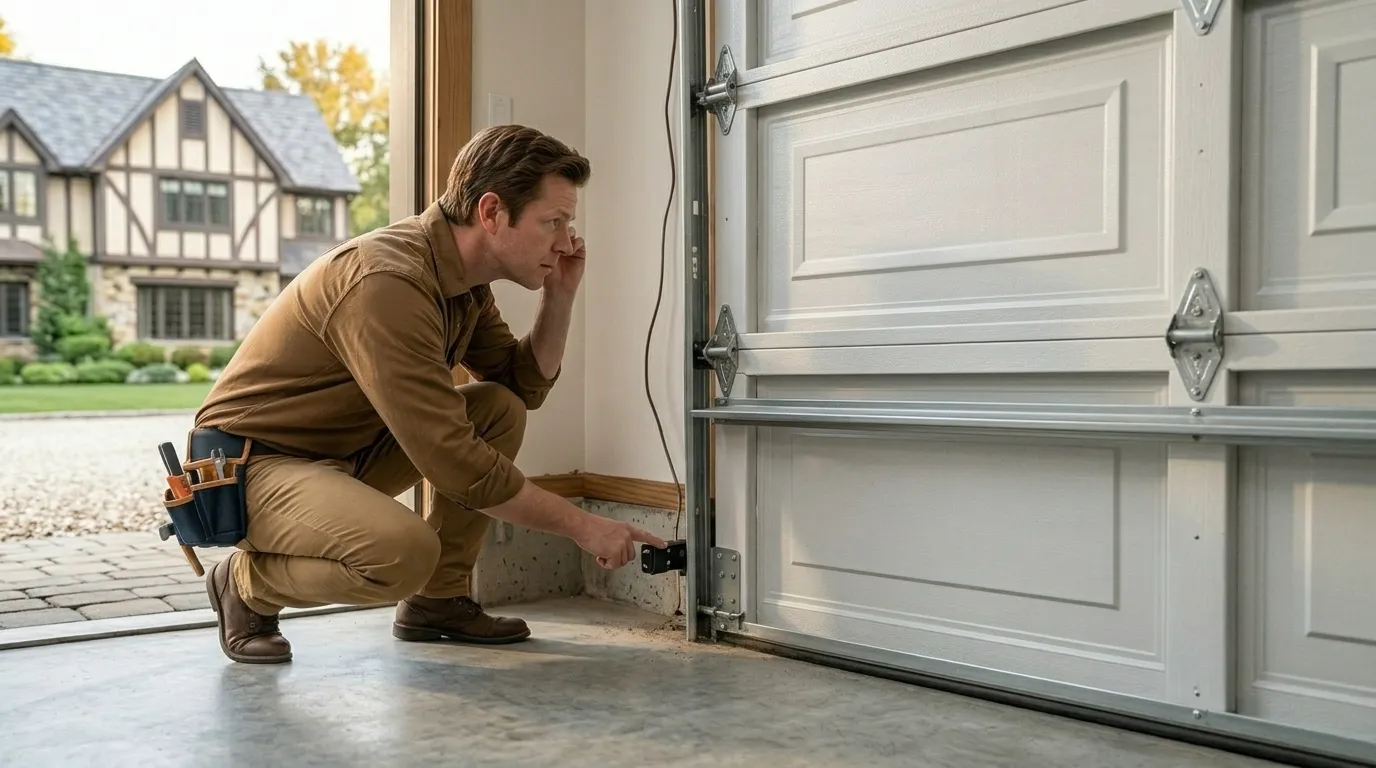
Close the door at night and run a hand along the bottom edge and both sides - you're feeling for moving air, not just looking for daylight. A flashlight held outside while someone stands inside with the lights off works better than eyeballing it in daylight. Check whether the bottom seal is still flexible or has gone stiff and cracked; brittle seals are a straight swap, not a repair.
If the gap is uneven across the width of the door, that's a jamb or track alignment issue, not a seal issue, and pushing a thicker seal in there just delays the same problem. One honest limit here: if the jamb itself has rotted or shifted more than about a half inch out of square, a new seal won't fix it - that's a carpentry job before it's a garage door job, and we'll tell you that instead of selling you a seal that won't hold.

Questions
Common questions
Why does my garage door only draught in winter?
Vinyl and rubber seals stiffen in cold temperatures and stop flexing against the slab or jamb the way they do in warmer months. On a house from the 1938-1981 stock common in Warren, a seal that seals fine in July can leave a visible gap in January simply from the material losing flex.
Is a drafty garage door worth fixing or should I replace the whole door?
If the door panel itself is sound and the track is straight, a seal and weatherstrip job usually solves it. If the jamb has shifted out of square or the track has been bent and reset more than once, you're often better putting that money toward a full replacement instead of chasing seals.
Can I just add a second seal on top of the old one?
No - stacking seals usually makes the door bind or fail to close fully. The fix is matching a seal profile to your actual track and jamb dimensions, not adding bulk. If your jamb has moved over the decades, that mismatch needs addressing first.
Ready when you are
Need a garage door sorted in Warren?
Warren Garage Door Pros repairs and installs garage doors, springs and openers in Warren, OH and the surrounding area.