
Guide
What Actually Happens When We Check Your Garage Door in Warren
In Warren, OH, a service call checks torsion springs, tracks, and openers in homes built between 1938 and 1981, since cold winters strain hardware faster here
Local detail
The Problem
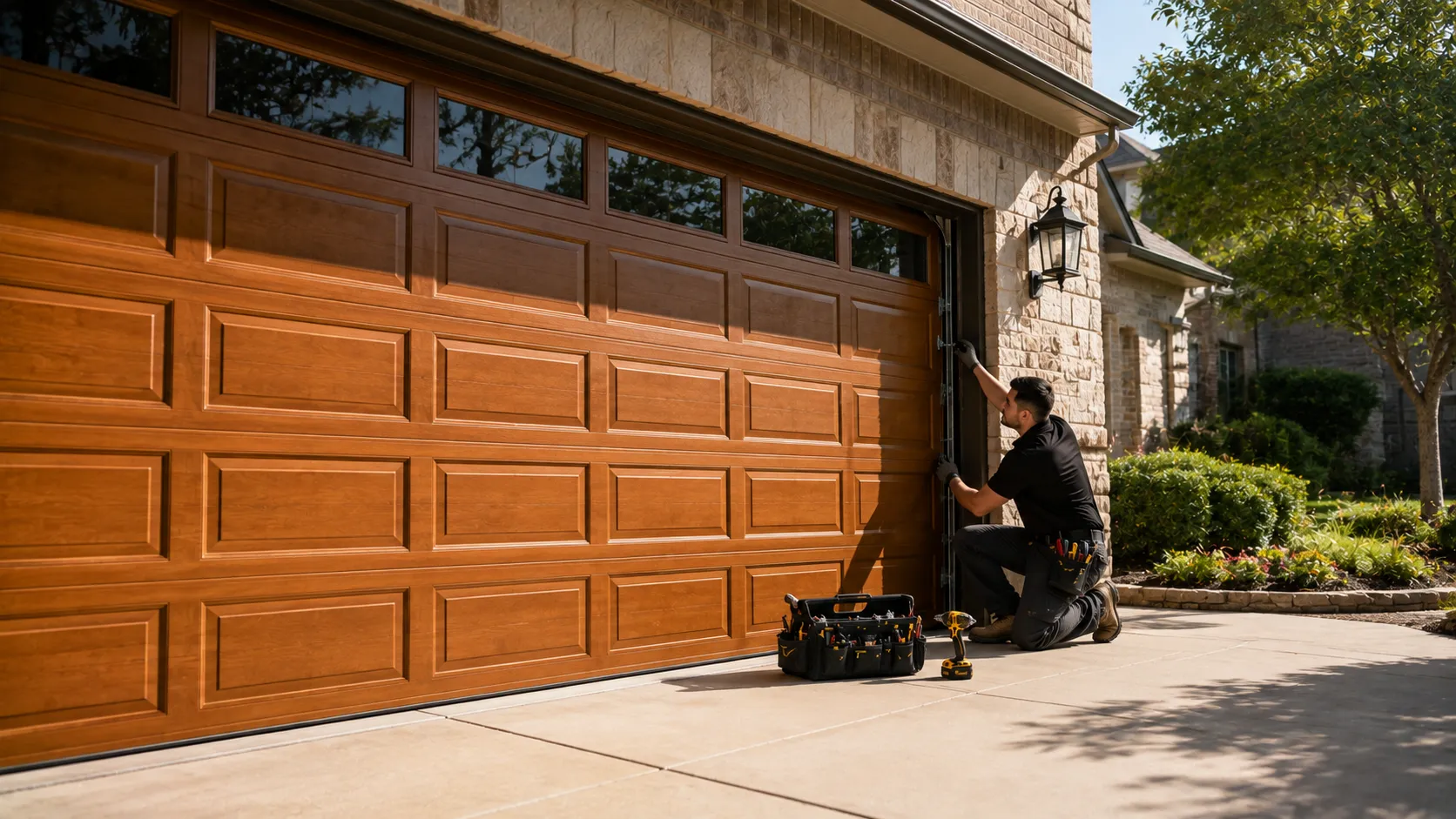
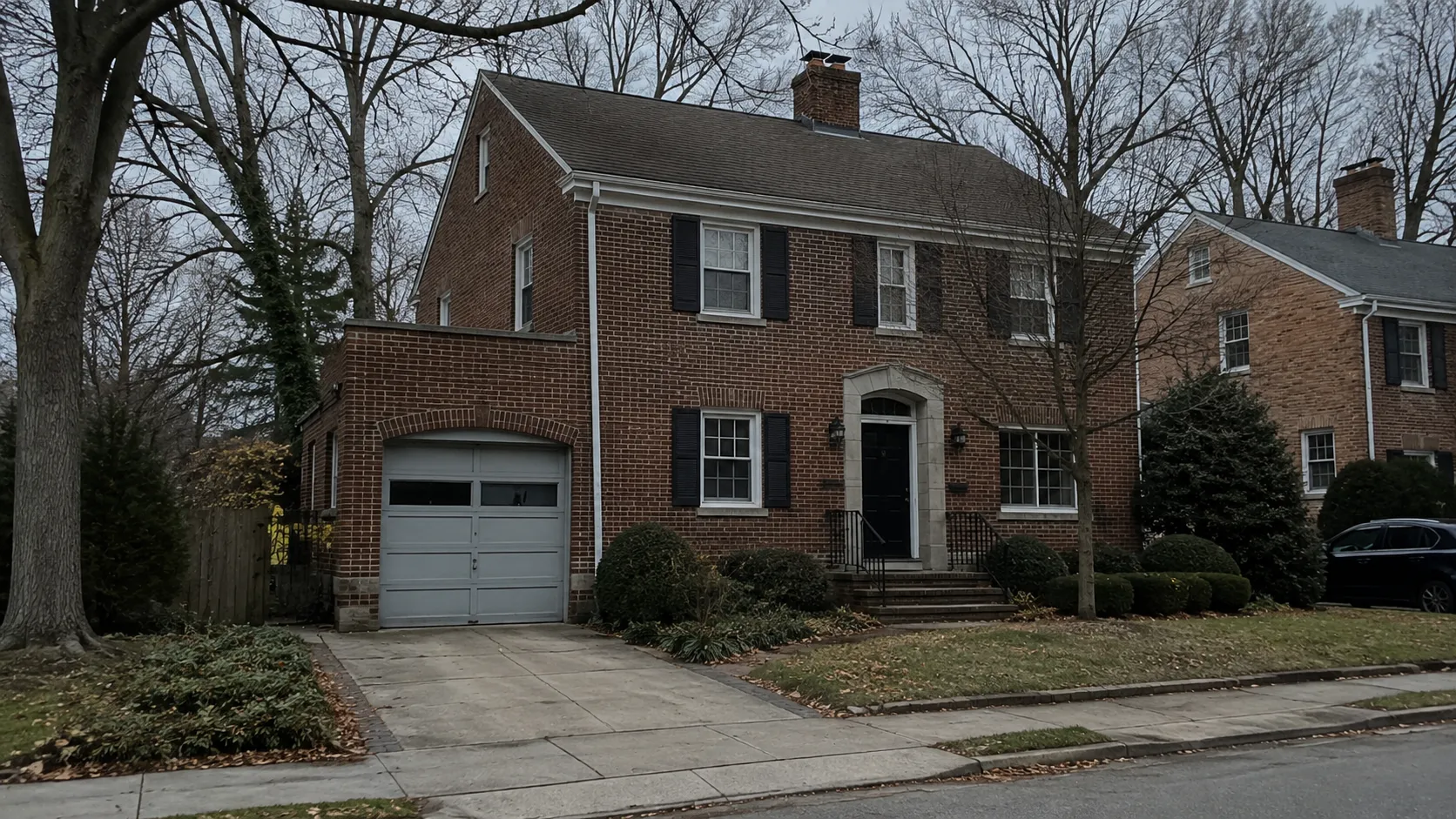
Most of the houses we get called to in Warren sit in neighborhoods built between 1938 and 1981, with the bulk going up in the 1960s and 70s across the 22 named areas we work in. That median build year of 1963 matters more than people think. A door and opener installed on a house from that era has usually been replaced once, maybe twice, but the track brackets, the jamb the door hangs from, and the header above it are still original wood framing from a different building era.
When a service call comes in, we're not just looking at the door - we're looking at what it's attached to. A torsion spring rated for a 1963-era single layer wood door doesn't behave the same as one sized for a modern insulated steel door, and a lot of these houses have had a door swap without anyone re-checking the spring size. That mismatch is the root of a surprising number of the noisy, hard-to-open doors we get called out for.
It's not a mystery problem. It's a predictable one, given what's actually on the wall.
The area
What Local Conditions Do
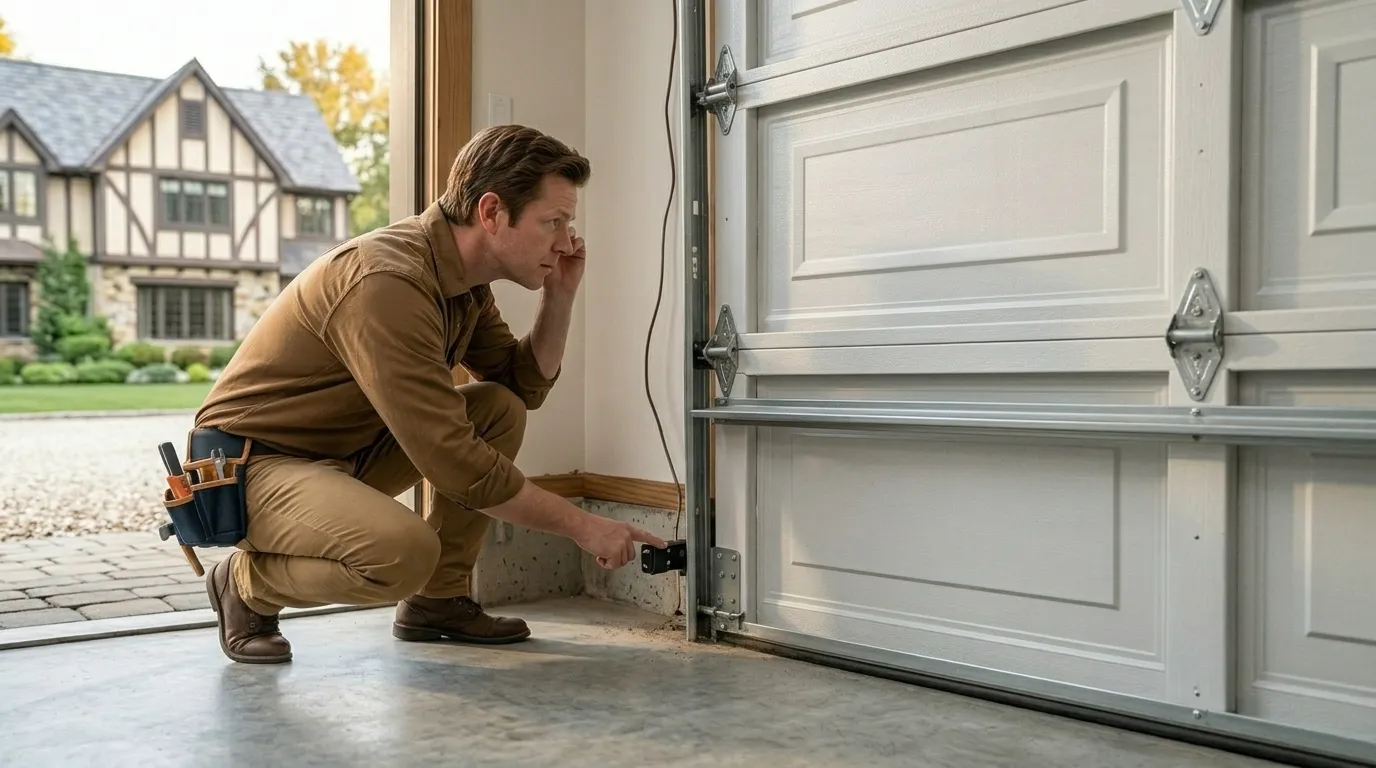
This part of Ohio sits in a cold-severe climate band, and that shapes what fails and when. Steel torsion springs lose tension and fatigue faster with repeated freeze-thaw cycling than they would in a milder region - the metal contracts in the cold, and a spring that's already near the end of its life will often snap on the first hard cold snap of the season rather than gradually. Garage floors on older slabs heave slightly with frost, which throws off the track alignment at the bottom rollers, and that's the grinding or binding noise a lot of Warren homeowners describe on a service call.
Nylon and steel rollers both stiffen in cold, extension and torsion spring lubricant thickens, and weatherstripping on doors installed decades ago has usually hardened and cracked, letting cold air straight into the garage. None of this is dramatic on its own, but stacked together on a house with original 1960s-era hardware, it adds up to doors that get noticeably harder to lift every winter until something gives.
What we find
Where People Go Wrong
The most common mistake we see is someone trying to re-tension or replace a torsion spring themselves after watching a video, on a door that's mounted on hardware from the 1960s or 70s that doesn't match anything currently sold. That's a genuinely dangerous repair - a torsion spring under load can break bones - and it's also one where the old bracket sizing often doesn't match new spring kits, so the fix doesn't hold. The second mistake, more about money than safety, is patching the cheapest part of the problem instead of the actual failure.
With median household income here around $62,149, we understand the instinct to defer a bigger repair, but replacing a $30 roller on a door whose real issue is a cracked bottom bracket just delays the same call by a few months. The third mistake is assuming an opener problem is always the opener - on these older doors, a struggling motor is frequently a symptom of an unbalanced door, not a failing unit, and swapping the opener without checking balance first wastes money.
How we work
Checking It Yourself
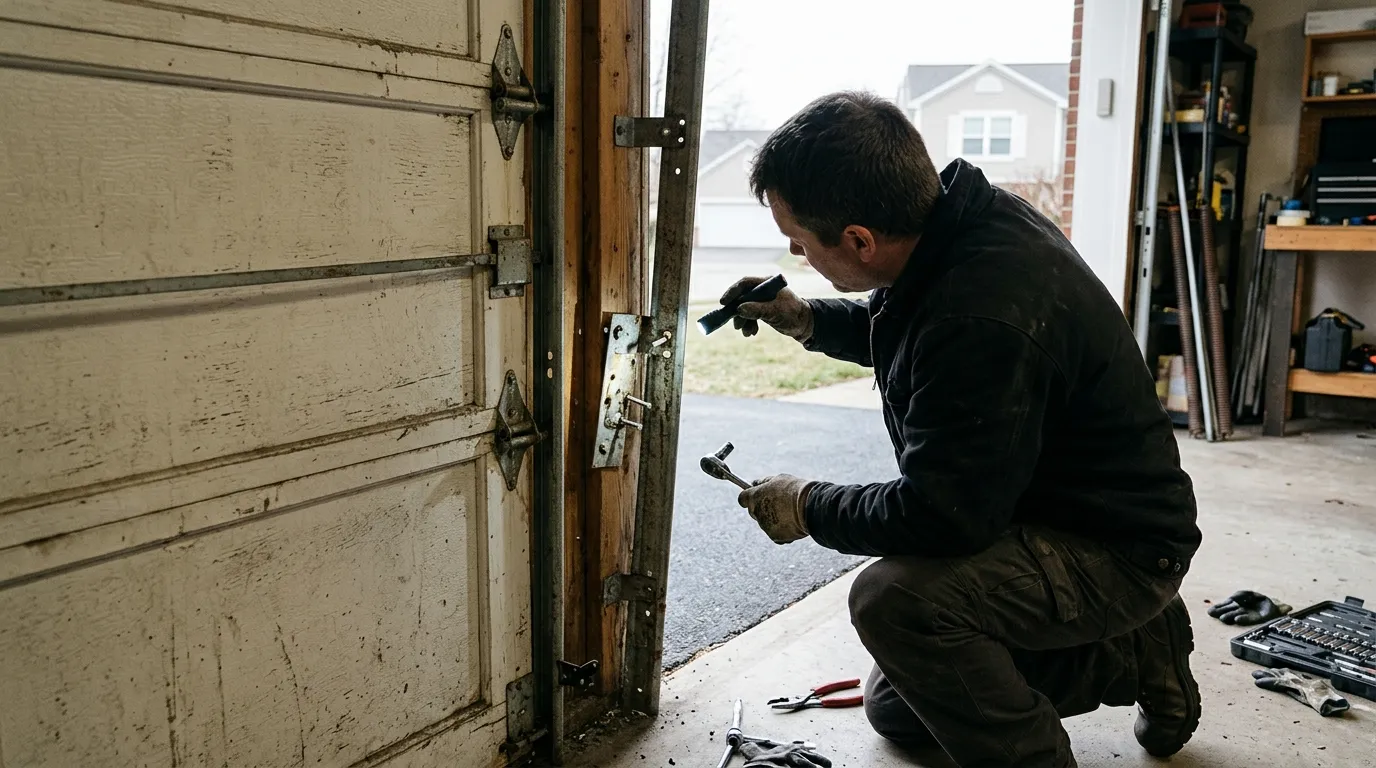
Before you call, there's a short list of things you can safely check. Pull the release handle, lift the door by hand to waist height, and let go - a properly balanced door stays put; one that drops or shoots up means the spring tension is off and that's not a DIY fix. Look at the cables on either side for fraying strands, especially near the bottom fixture - if you see any, don't operate the door until it's checked.
Run your hand along the bottom weatherseal on a cold day; if you feel a draft, it's likely cracked and worth replacing, a simple job. Listen for a grinding sound specifically at the bottom rollers versus a general rattle - grinding usually means a track alignment issue tied to slab movement, which is common in this climate. One honest limit: we can't tell you over the phone whether a spring is safe to leave alone until we've seen the door in person, because age of the hardware and how it was installed both matter, and guessing wrong on that one is how people get hurt.
Questions
Common questions
Why does my garage door get harder to open every winter?
Cold-severe winters here make steel torsion springs lose tension faster and thicken the lubricant in rollers and hinges. On a house built in the 1960s or 70s, that's compounded by original track hardware and hardened weatherstripping, so the door feels progressively stiffer as the season goes on rather than failing all at once.
My house was built in the 1960s - does that make repairs different?
Often, yes. A lot of homes in this area, built between 1938 and 1981, have had the door replaced at some point without the spring or track hardware being resized to match. That mismatch is a common cause of noisy or unevenly opening doors, and it's something we specifically check for on a service call.
Can I replace a broken torsion spring myself?
We'd rather you didn't. A torsion spring under tension can cause serious injury, and on older houses the bracket sizing frequently doesn't match spring kits sold today. It's one of the few repairs where we think the video tutorials do more harm than good.
Do you go out to the smaller communities around Warren?
Yes - we cover the surrounding service area including places like Leavittsburg, Howland Center, Niles, and Lordstown a few miles out, and further towns like Cortland, Girard, and Newton Falls. Reach out through our site to check your specific address.
Ready when you are
Need a garage door sorted in Warren?
Warren Garage Door Pros repairs and installs garage doors, springs and openers in Warren, OH and the surrounding area.