Garage Door Roller Replacement for Warren's Older Doors in Warren

Warren, OH

Garage Door Roller Replacement for Warren's Older Doors

Rollers on Warren's 1960s-era doors wear fast in severe cold. We carry steel and nylon replacements sized for the housing stock built 1938-1981 across the service area.

Serving Warren, OHBackground-checked techsHonest, upfront pricingFast local response
1938–1981
Typical build years of local homes
1963
Median year homes were built
22
Named areas in our coverage

The repair

What the Repair Takes

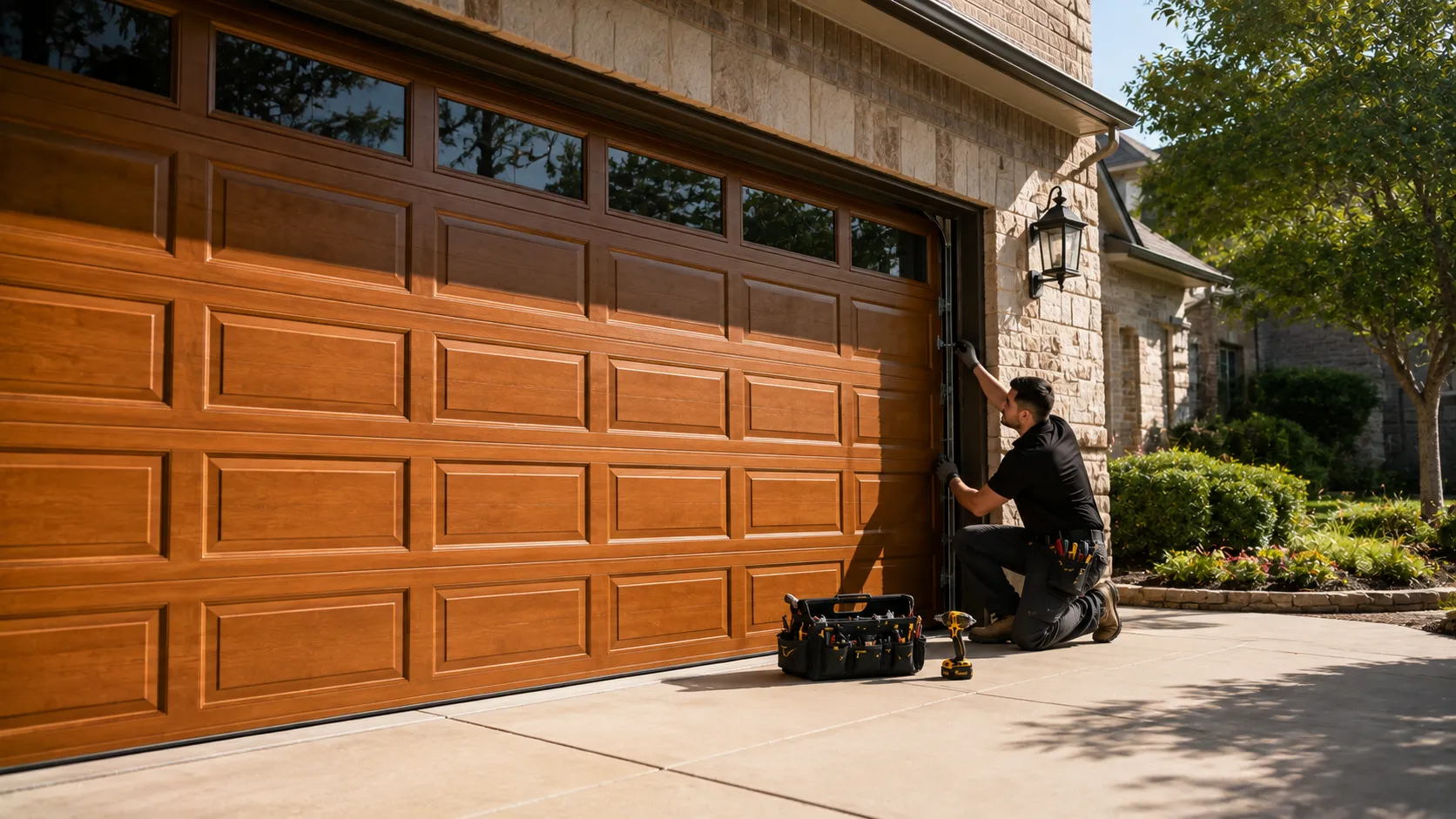
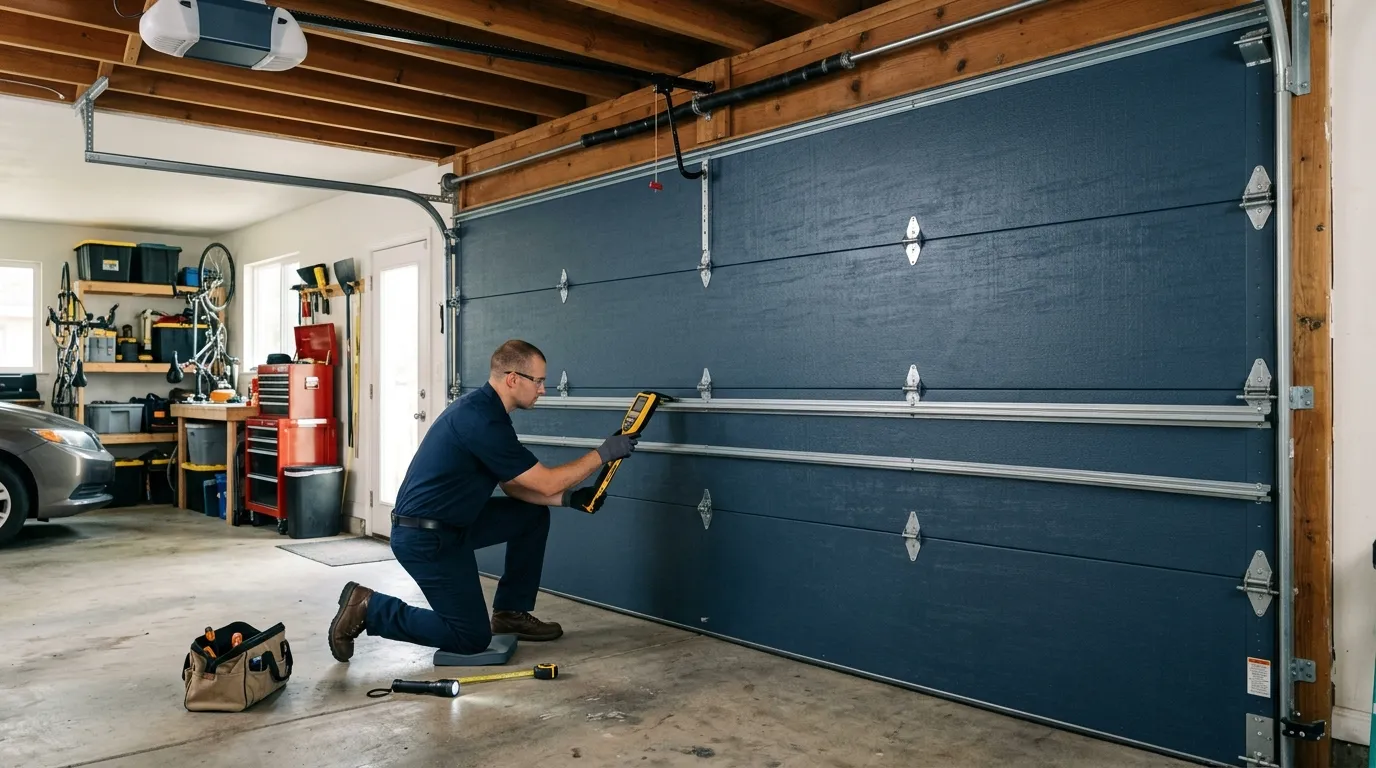
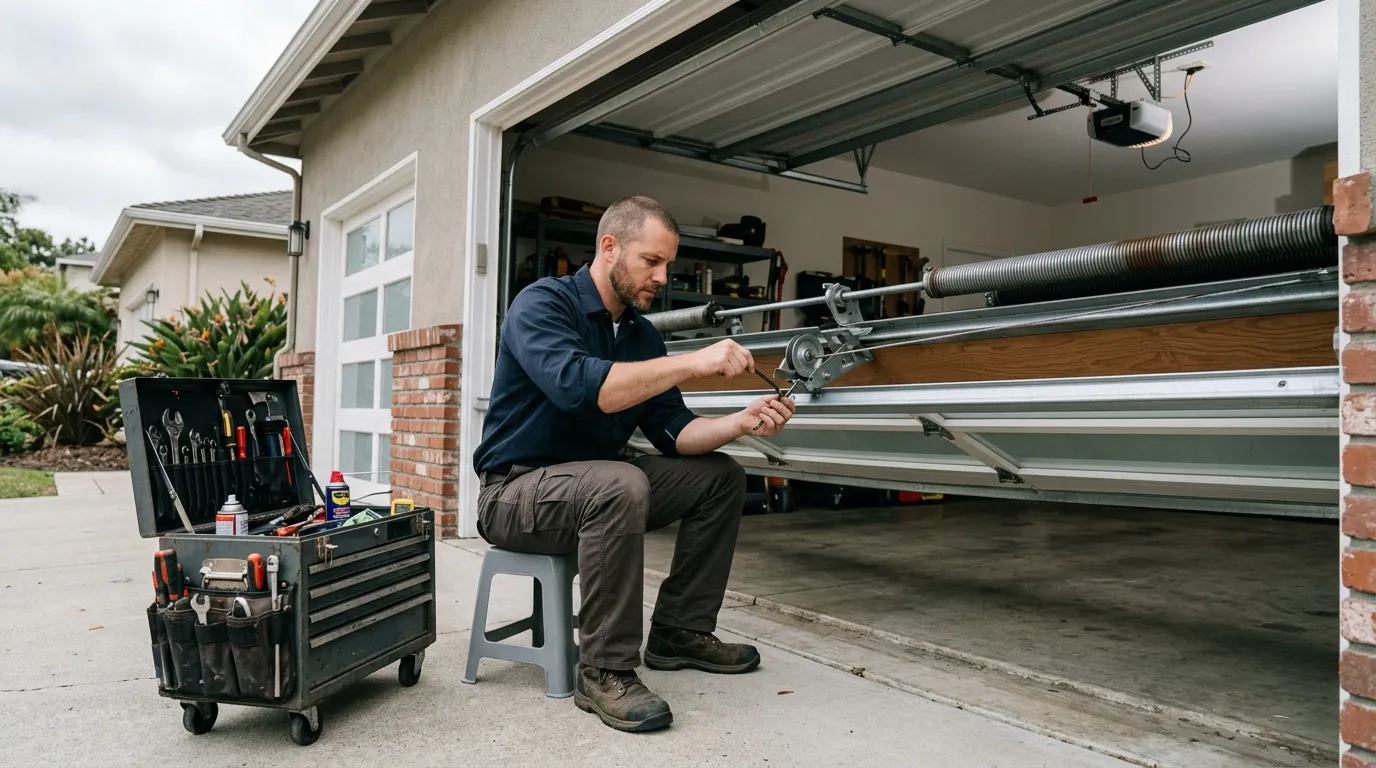
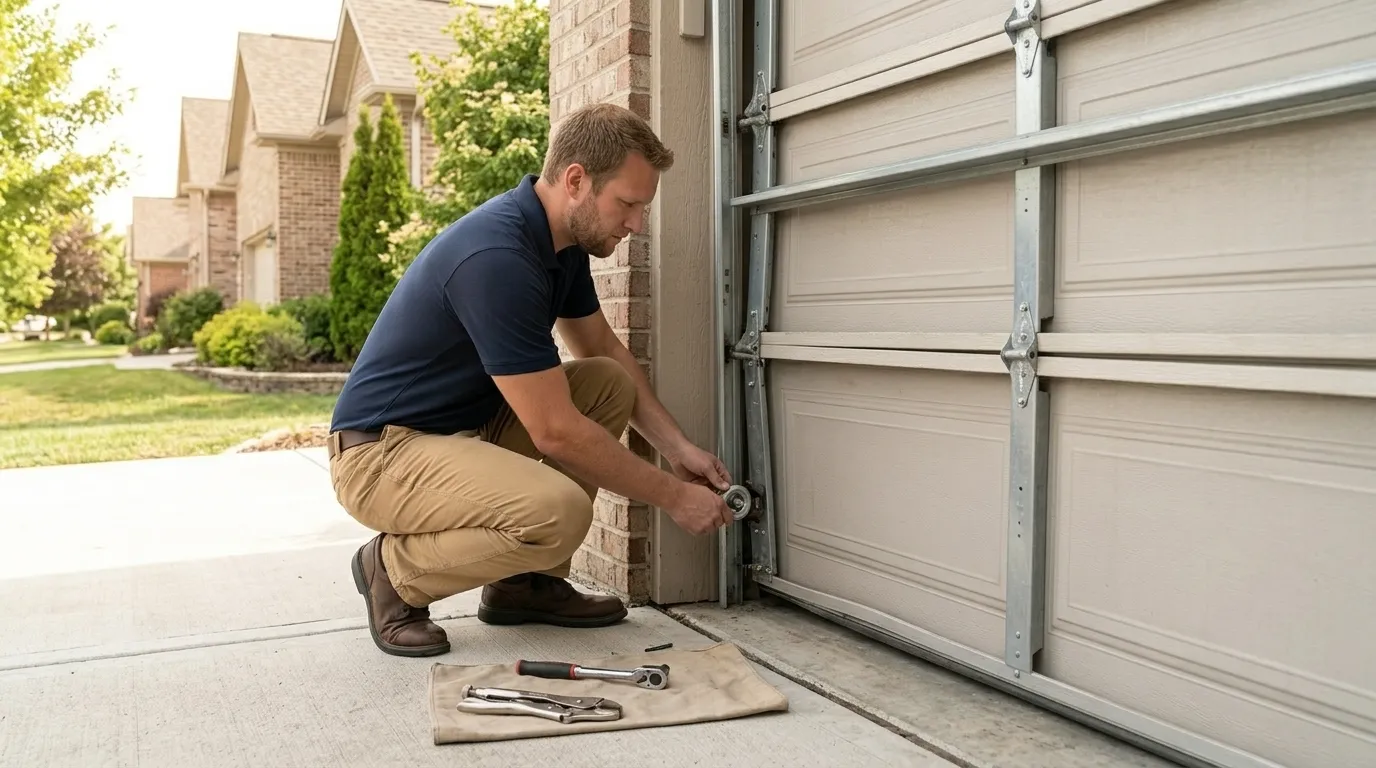
A roller swap on a standard double or single door runs a set of ten to twelve rollers, one full pass down each track. On the steel-track doors common to houses built between 1938 and 1981, the job means backing off track brackets, pulling the old rollers out of the hinges, and checking the hinges themselves for wear grooves before new rollers go in - a worn hinge eats a new roller in a season.

  1. Cable drum wear inspection

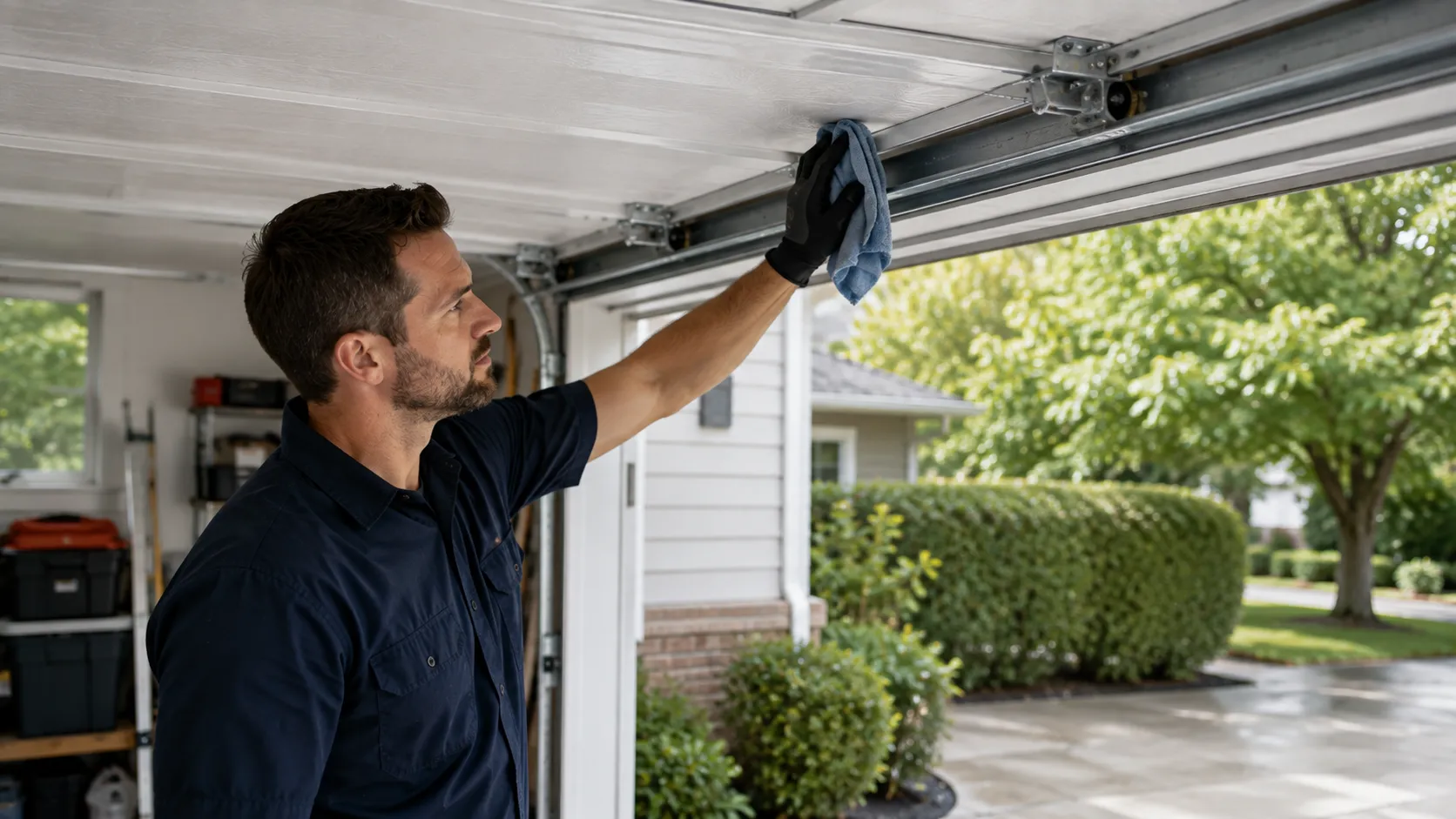
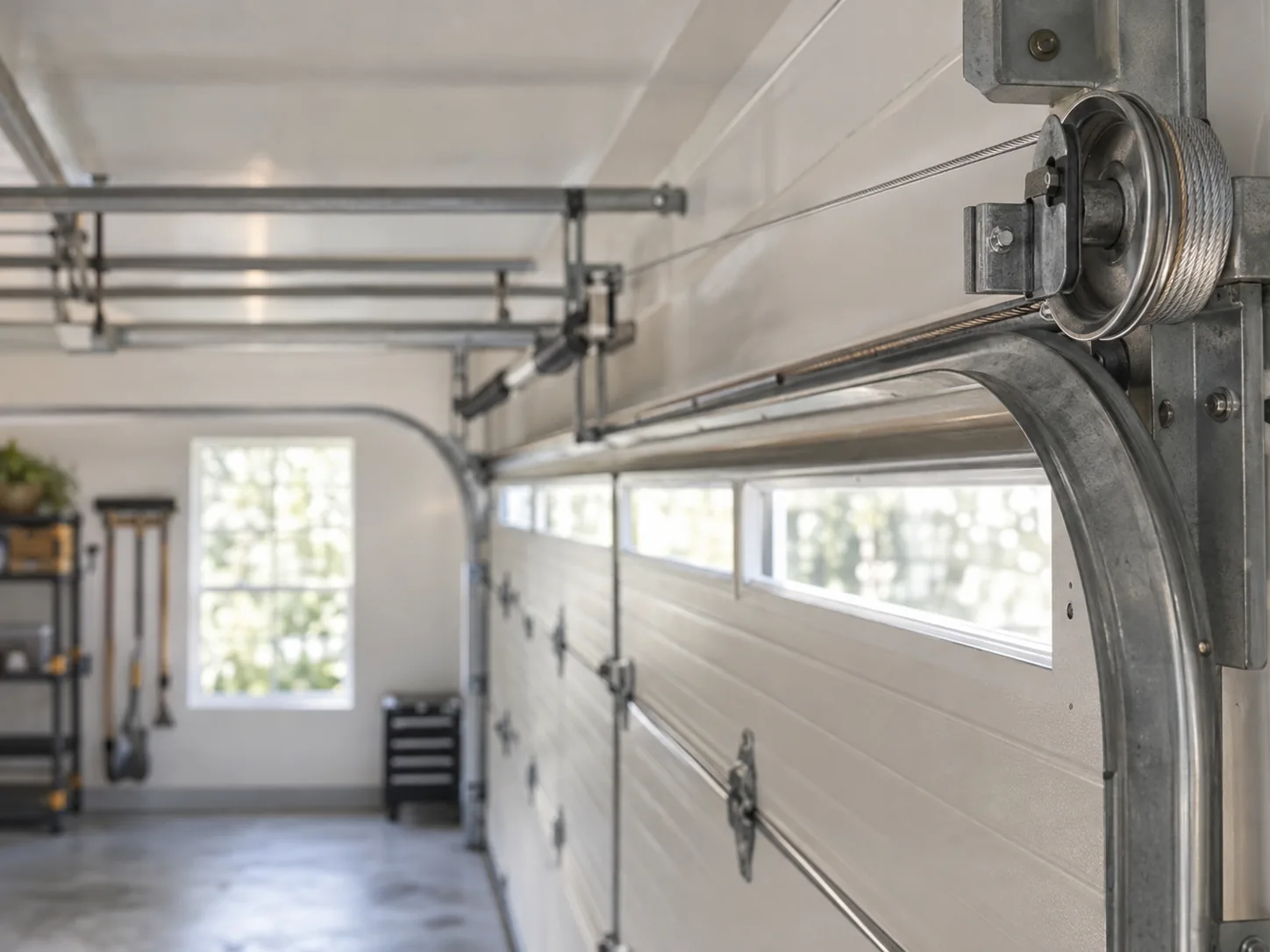
    We also check cable drums and the bottom fixtures while the door is apart, since a roller job is the easiest time to catch a fraying cable before it becomes its own call.

  2. Older stem length rollers

    Most doors in this service area are original one-piece or early sectional units, and their track spacing is narrower than what current doors use, so we bring rollers sized for that older stem length rather than assuming a modern stock size fits.

  3. Original hardware compatibility

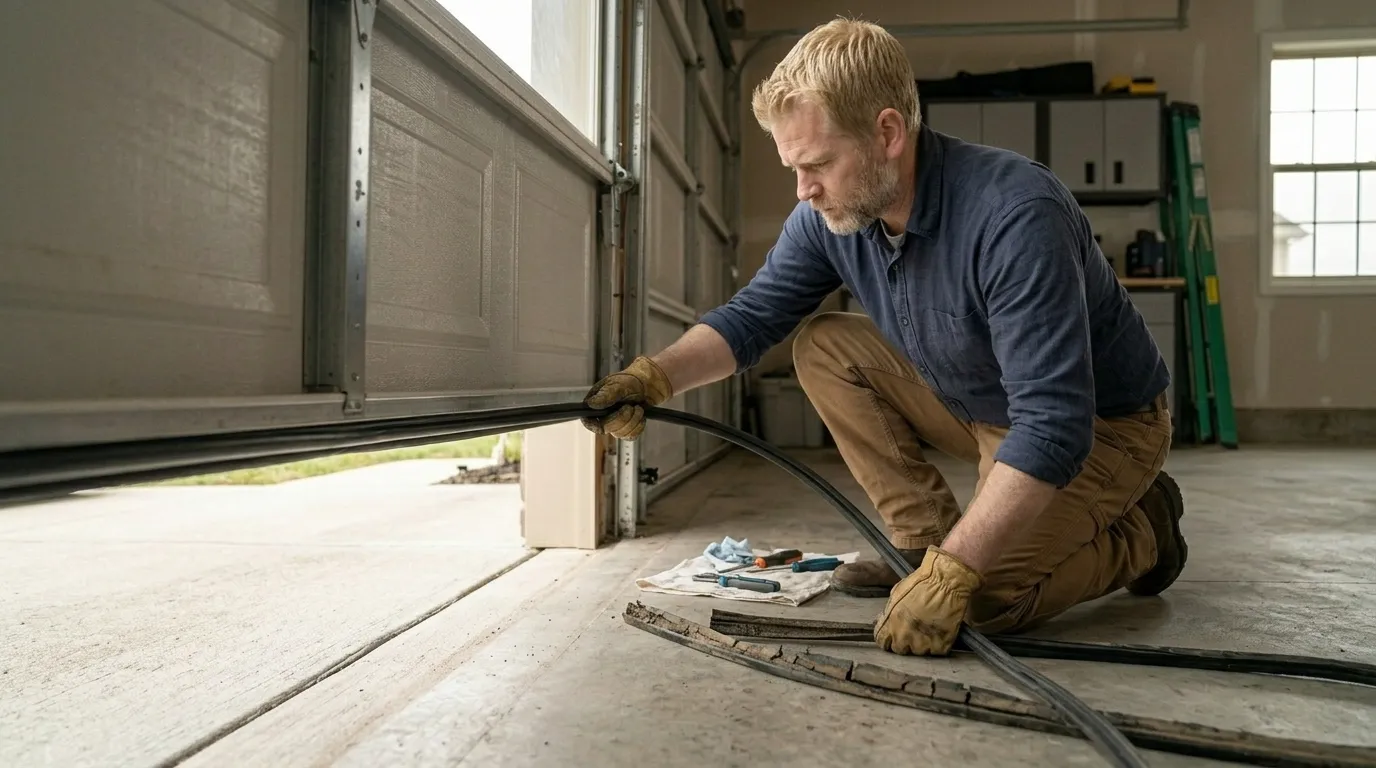
    If the tracks themselves are bent or pitted from years of a dragging roller, we say so before we quote - sometimes the track needs straightening or replacing along with the rollers, and we won't sell a roller-only fix on a track that will just chew through the next set in a year.

Local causes

Why It Happens Here

Housing across the area runs 1960s-70s stock, median build year 1963, and that generation of door came with steel rollers on steel track - no nylon, no sealed bearing. Steel-on-steel wears fast on its own, and this region's cold band makes it worse: winter contraction stiffens the grease in the roller stem, the roller binds instead of turning freely, and it drags rather than rolls. A dragging roller doesn't fail quietly - it grinds a flat spot into itself and starts gouging the track, which is why we see roller calls climb every winter. Houses built in this same era across the 22 named areas we work share the same setup, so it's not a one-house problem, it's a housing-stock problem. Add decades of nobody greasing the stems, and by the time a homeowner calls, the rollers aren't just noisy - they're seized, chipped, or missing chunks of the wheel entirely.

Why It Happens Here
Parts We Carry

On the truck

Parts We Carry

We stock steel rollers for the older track spacing that's common on doors from the 1938-1981 build range, plus nylon rollers for owners who want quieter operation and don't mind the slightly wider stem clearance nylon needs. We carry both 7-ball and 10-ball bearing counts, since the door's weight and how much it gets used both matter more than the roller material alone. We also keep matching hinges on the truck, because putting a new roller into a worn-out hinge just moves the failure point, not fixes it. What we don't stock is every obscure stem length from every discontinued manufacturer - on some of the oldest doors we run into, a special-order stem takes a few extra days, and we'll tell you that up front rather than have you wait on a truck that isn't coming.

Warning signs

What You Are Seeing

A grinding or popping sound as the door travels, especially right at the curve where the track bends from vertical to horizontal, is almost always a roller problem before it's anything else.

Shudder and jump symptoms

So is a door that shudders or jumps instead of gliding, or one that's visibly off-track on one side. If you can see a roller wheel that's cracked, chipped flat on one side, or just gone, that's confirmation, but plenty of failing rollers still look round from the ground - the wear is inside the bearing, not on the wheel face.

Original track rust streaking

Rust streaking down the track where a roller sits when the door's closed is another sign, especially common given how many houses here still run the original steel track from the 1960s and 70s.

Spring tension vs roller issues

If the door is also hard to lift by hand with the opener disconnected, don't assume it's just rollers - that's more likely a spring losing tension, and that's a different call.

Questions

Common questions

How many rollers does a standard garage door need replaced?

Most single and double doors use ten to twelve rollers total, and we replace the full set rather than mixing old and new - a mismatched set wears unevenly and you end up calling again for the ones you skipped.

Should I go with steel or nylon rollers?

Steel is what most doors here were built with and it holds up fine if you keep it greased, but nylon runs quieter and doesn't need lubrication as often. On older steel track from the 1960s-70s stock, either works - it comes down to noise tolerance versus upfront cost.

Why do my rollers seem worse in winter?

Cold stiffens the grease inside the roller bearing, so it binds instead of spinning freely. A roller that's already worn will seize up faster in a severe winter than it would in a mild one, which is why roller calls climb here every cold season.

Can I just replace the noisy rollers instead of the whole set?

You can, but we don't recommend it. Rollers on the same door see the same age and the same wear pattern, so replacing two or three now usually means a callback for the rest within a year. One full pass costs less than two separate visits.

Ready when you are

Need a garage door sorted in Warren?

Warren Garage Door Pros repairs and installs garage doors, springs and openers in Warren, OH and the surrounding area.

Call Now(234) 297-4829